Which Fencing Jobs Require Professional Installers
Certain fencing jobs need specialized skills or equipment to be safe and effective. Pacific fence evaluates your site to identify projects that require pros. Call 13466814020 to determine if your job needs professional attention. We bring the expertise needed for complex installations.
Deciding whether a fencing job is a weekend DIY project or something that requires professional installers is not always obvious. Homeowners frequently ask which fencing jobs require professional installers, and the answer depends on site conditions, materials, intended function, and local rules. This page explains the common indicators that a job needs pro-level skills, outlines the types of installations that are better left to experts, and describes how Pacific fence evaluates your property to recommend the safest, most cost-effective approach. When appropriate, call 13466814020 to schedule a site evaluation.
Clear indicators that you should hire a professional
Several visible and non-visible factors make a project better suited to professionals. If your property has significant slope changes, poor soil stability, underground utilities, or irregular lot lines, the chances of mistakes increase. A professional installer brings experience in grading, foundation techniques, and local code compliance so your fence performs well and remains safe over time.
Other red flags include complex gate systems, large spans between posts, or a fence that must meet specific safety or containment standards (for example, pool barriers or livestock enclosures). In these cases, a botched installation can create liability, require costly repairs, or fail inspections. Professionals reduce those risks by applying appropriate engineering, anchoring, and finishing techniques.
Complex installations that typically require specialist installers
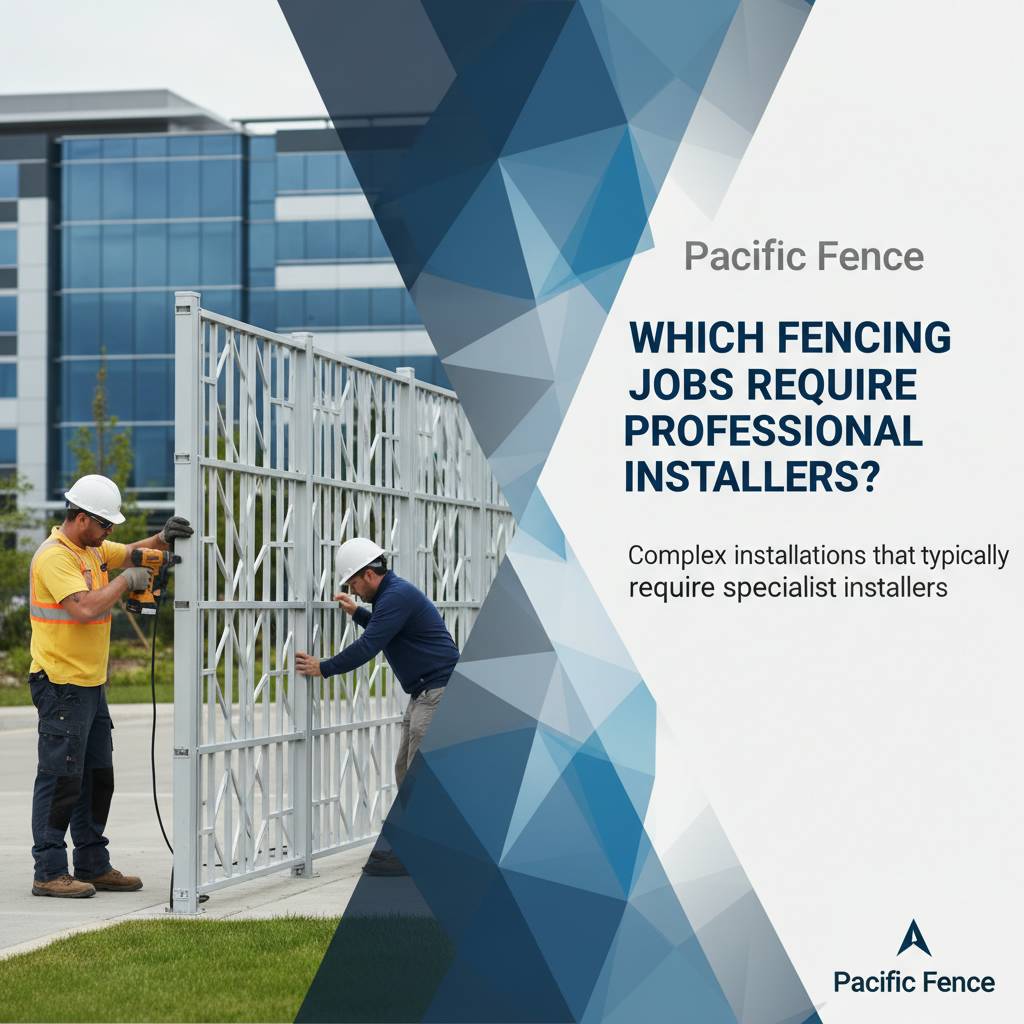 Certain fencing jobs almost always warrant professional installation because they involve structural systems, mechanical components, or specialized materials. Below are common categories where experienced installers provide measurable advantages in durability, safety, and compliance with regulations.
Automated and electronic gate systems
Automated gates combine mechanical, electrical, and sometimes networked components. Proper operation requires precise alignment, electrical wiring to code, and safety features such as photo-eyes and fail-safe mechanisms. Improper installation may result in injury, gate malfunction, or voided warranties. Professionals handle both the mechanical setup and the electrical integration so the system operates reliably.
Retaining walls and grade-sensitive fences
When fencing is installed on or adjacent to retaining walls, or when significant grade changes exist, engineers must evaluate load paths and soil pressure. Posts may require deep concrete footings or piers, and drainage management is essential to prevent soil movement. Specialists coordinate grading, drainage, and structural supports to avoid premature settling or failure.
Pool enclosures and safety barriers
Pool fences are subject to strict safety codes in many jurisdictions. These requirements may specify material strength, maximum gap sizes, self-closing and self-latching gates, and mounting methods. Professional installers ensure your barrier meets local regulations, reducing drowning risk and ensuring compliance for insurance and resale purposes.
Permits, codes, and liability - why regulations matter
Local codes and HOA rules often dictate fence height, setback, finish, and materials. Some areas require permits, inspections, or engineered drawings for certain fence types. Professionals understand permit procedures, can prepare accurate site plans, and know how to address neighbor boundary concerns. Hiring a pro reduces the likelihood of citations or forced removal after the work is complete.
Liability is another consideration: an improperly installed fence can cause injury, property damage, or fail to contain animals safely. Licensed installers carry insurance and often provide warranties that protect homeowners. These protections are particularly important when your fence interfaces with utilities, public right-of-ways, or adjoining properties.
Specialized equipment and techniques beyond typical DIY scope
Large or difficult installations commonly require heavy-duty tools and techniques that homeowners do not typically own. Examples include post-hole drilling rigs for rocky soils, hydraulic augers for deep footings, concrete pumping, and precision leveling equipment. Using the wrong tool or method can compromise post alignment and structural integrity.
In addition to equipment, professionals apply tested construction methods such as frost-depth footings in cold climates, galvanized or stainless steel fastenings for coastal corrosion resistance, and engineered post spacing for high-wind regions. These techniques extend fence life and reduce long-term maintenance costs. If your site has special considerations, a professional team brings the right combination of tools and knowledge.
Cost, timelines, and value - balancing price with peace of mind
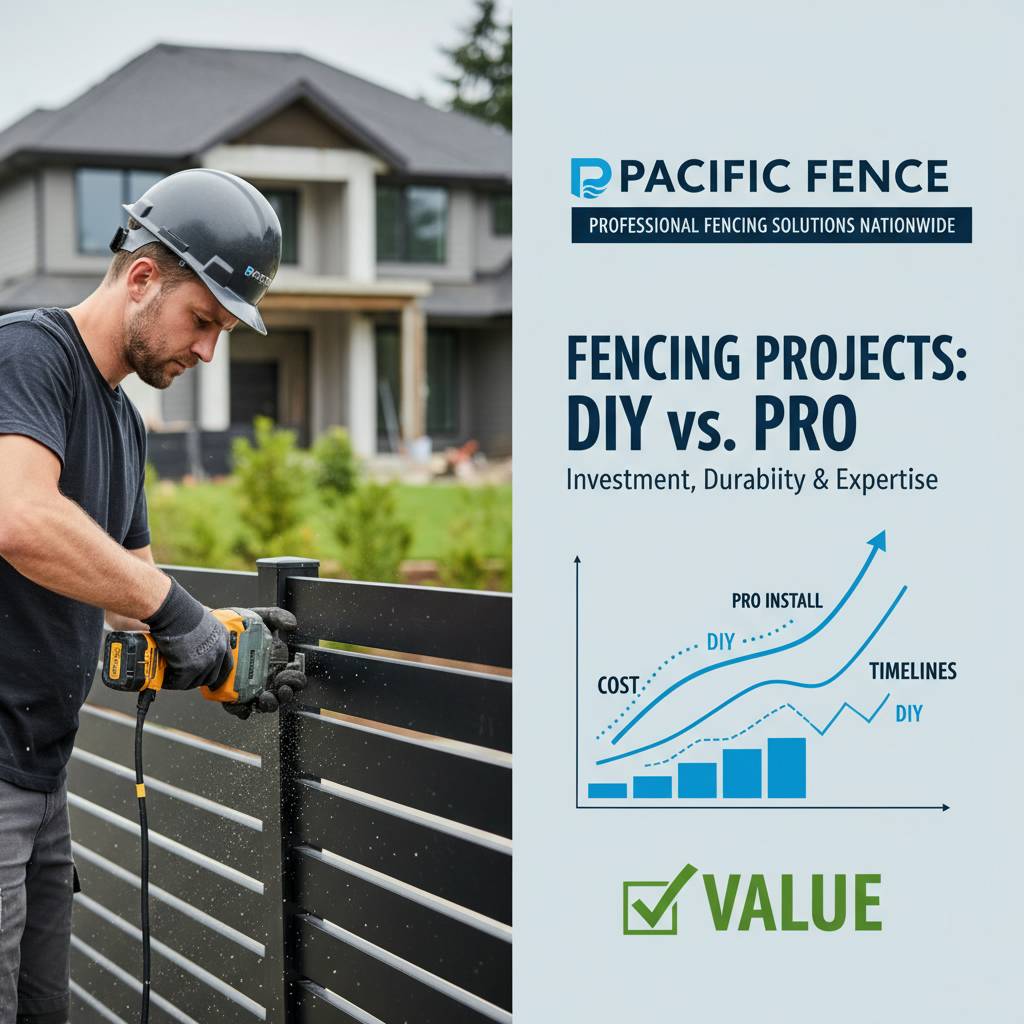 Budget is a natural concern, and some homeowners assume DIY is always cheaper. While small, simple projects can be economical to complete yourself, complex jobs often carry hidden costs if mistakes arise. Labor, permits, specialized tools, and material waste can add up. Professionals typically provide detailed estimates that outline scope, exclusions, and timelines so you know what to expect.
Consider the long-term value: a correctly installed fence resists wind, rot, rust, and shifting soils, requiring fewer repairs and reducing lifetime cost. Many professional installers offer warranties that cover workmanship and materials. That safety net can be the difference between a one-time investment and repeated repair expenses.
| Project type | Typical cost range | Recommended approach |
|---|---|---|
| Standard wood privacy fence | $75-$200 per linear foot | DIY possible for flat lots; professional recommended for long runs and uneven terrain |
| Chain-link or agricultural fencing | $15-$45 per linear foot | DIY for small areas; pros advised for large acreage or security fencing |
| Wrought iron or ornamental metal | $45-$150 per linear foot | Professional installation recommended for heavy panels, custom gates, or precise alignment |
| Automated gate systems | $1,500-$8,000 installed | Professional installation strongly recommended due to electrical and mechanical complexity |
These ranges are illustrative; local labor rates, material selection, site complexity, and permit costs will affect final pricing. A professional evaluation from Pacific fence provides an accurate, itemized estimate so you can make an informed decision.
How Pacific fence evaluates your site and determines if pros are needed
Our evaluation begins with a site visit and a conversation about your goals. We document existing conditions, identify potential obstacles such as roots, utility lines, or drainage problems, and verify boundary lines when necessary. This initial step helps us advise whether your project is a straightforward install or if it requires specialized techniques, permits, or engineered solutions.
When a job is complex, Pacific fence provides an action plan that outlines the recommended scope, timeline, materials, and cost. We explain why each element is necessary-whether it's deeper footings for frost protection, trenching around root systems, or reinforced posts to support heavy gate hardware. If you prefer a DIY approach where feasible, we'll point out the key challenges to watch for and the critical steps you should not skip.
Case example: complicated slope installation
One recent project involved installing a wood privacy fence on a steeply sloped property with loose fill and intermittent ledge. Our team designed stepped fence sections with staggered post depths, added drainage channels to prevent erosion, and used concrete piers where bedrock prevented standard digging. The result was a stable, attractive boundary that met the homeowner's expectations without repeated settlement issues.
Case example: automated gate at commercial entrance
For a commercial client requiring an automated gate with card access, Pacific fence coordinated with electrical contractors to install dedicated circuits and backup power, integrated safety sensors, and used traffic-rated hardware. Precise concrete pads and reinforced foundations prevented alignment problems and minimized ongoing maintenance costs. The installation met municipal inspection standards and provided secure, reliable access control.
Common questions: which fencing jobs require professional installers?
Below are frequently asked questions that directly address common homeowner concerns. These answers are written to help you assess risk and determine when to call a professional.
- Q: Can I install a privacy fence on my own? A: If your lot is flat, utilities are clear, and you are comfortable with basic carpentry, a privacy fence can often be a DIY project. However, long runs, uneven ground, or boundary disputes are reasons to hire a professional.
- Q: Do I need a permit? A: Many municipalities require permits for new fences or changes to height and location. Professionals are familiar with local permitting processes and can pull permits on your behalf to ensure compliance.
- Q: Are automated gates worth the cost? A: For convenience and security, yes-if properly designed and installed. The upfront cost is higher, but the benefits in safety and functionality often justify professional installation.
- Q: How do I know if my soil requires special footings? A: Signs like previous sinking structures, soft loam, or high clay content suggest a need for deeper or reinforced footings. A professional assessment will determine the appropriate foundation design.
Next steps and how to get a professional assessment
If you are uncertain which fencing jobs require professional installers on your property, the next best step is a no-surprise site assessment. Pacific fence conducts thorough evaluations and provides clear recommendations-whether that means a full professional installation, partial professional involvement, or guidance for a DIY-friendly approach. We prioritize safety, durability, and cost-effectiveness in every recommendation.
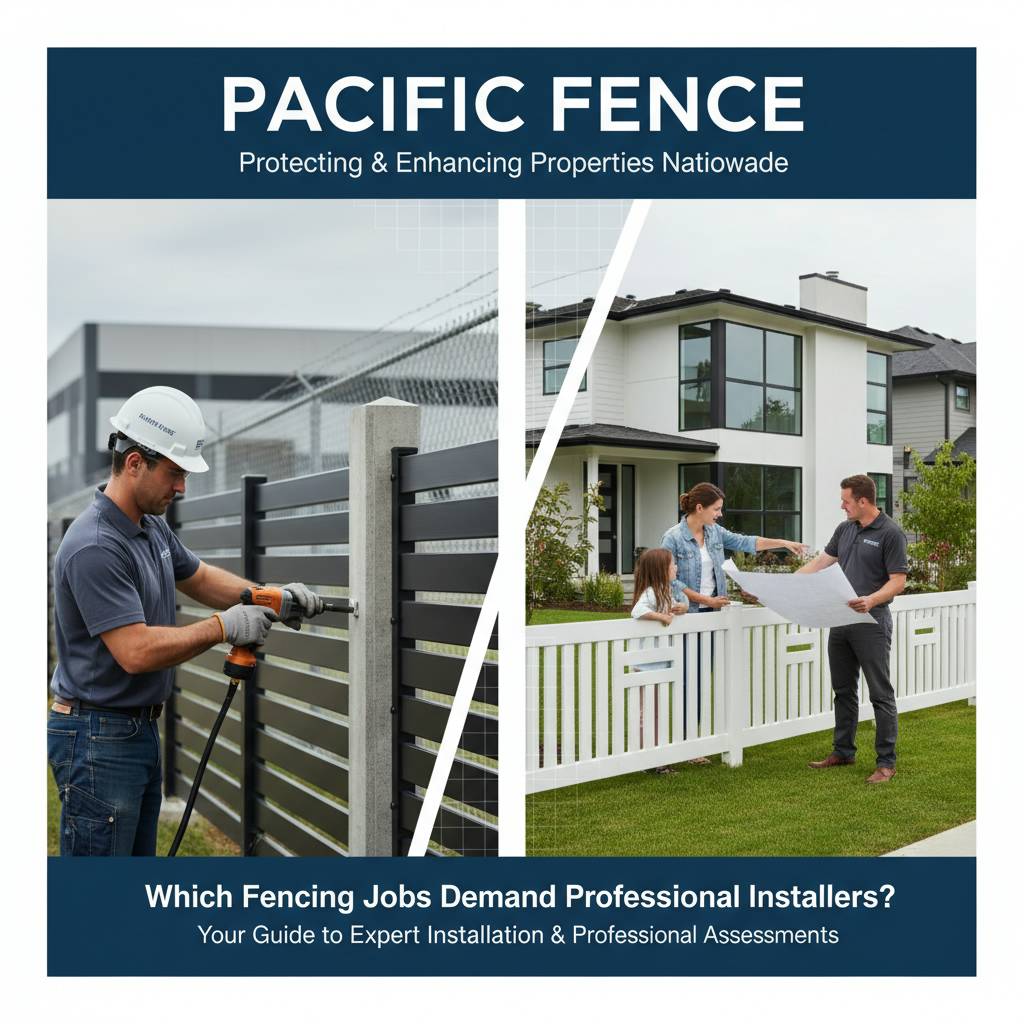
You can reach us to schedule an evaluation or request a detailed estimate. Our team is experienced with urban, suburban, and rural properties, and we tailor solutions to match your site conditions and aesthetic goals. If you want a concise, reliable assessment, contact Pacific fence at 13466814020 today.
Call to action: To learn whether your project must be handled by experienced professionals, request an on-site evaluation. Protect your investment and ensure compliance with local codes-let our experts determine the right approach for your fence.
For professional guidance and dependable installations, contact Pacific fence at 13466814020. We look forward to helping you understand which fencing jobs require professional installers and delivering a solution that meets your needs.