When To Choose Professional Over DIY Fencing
Some projects require professional expertise to succeed. Pacific fence can assess complexity and advise the right path. Call 13466814020 to determine if your project needs a pro. Choosing experts avoids delays and safety issues.
Deciding whether to tackle a fence project yourself or call in a pro is often less about pride and more about outcomes. This page helps you answer the core question: when to choose professional over DIY fencing. Whether you're protecting a yard, defining property lines, or improving curb appeal, the wrong approach can cost more time and money than you save. Pacific fence has helped homeowners and business owners weigh trade-offs and make practical choices that match their goals and budgets.
Understanding the stakes: safety, code, and long-term value
Fences look simple until you run into a buried utility line, a complicated slope, or local permitting hurdles. Mistakes can lead to safety hazards, fines, or weak structures that fail in a storm. Professionals know how to avoid those pitfalls by locating utilities, reading soil and drainage conditions, and building to code. That expertise translates to a fence that not only looks good but lasts longer and carries less hidden risk.
Beyond safety, consider long-term value. A well-installed fence protects landscaping, reduces maintenance, and can boost resale value. Conversely, a poorly built fence creates headaches: leaning posts, rotting rails, and replacement costs that quickly eclipse any initial savings. If asset protection and longevity matter to you, a pro assessment often pays for itself in peace of mind and reduced lifecycle costs.
Common scenarios that favor hiring a professional
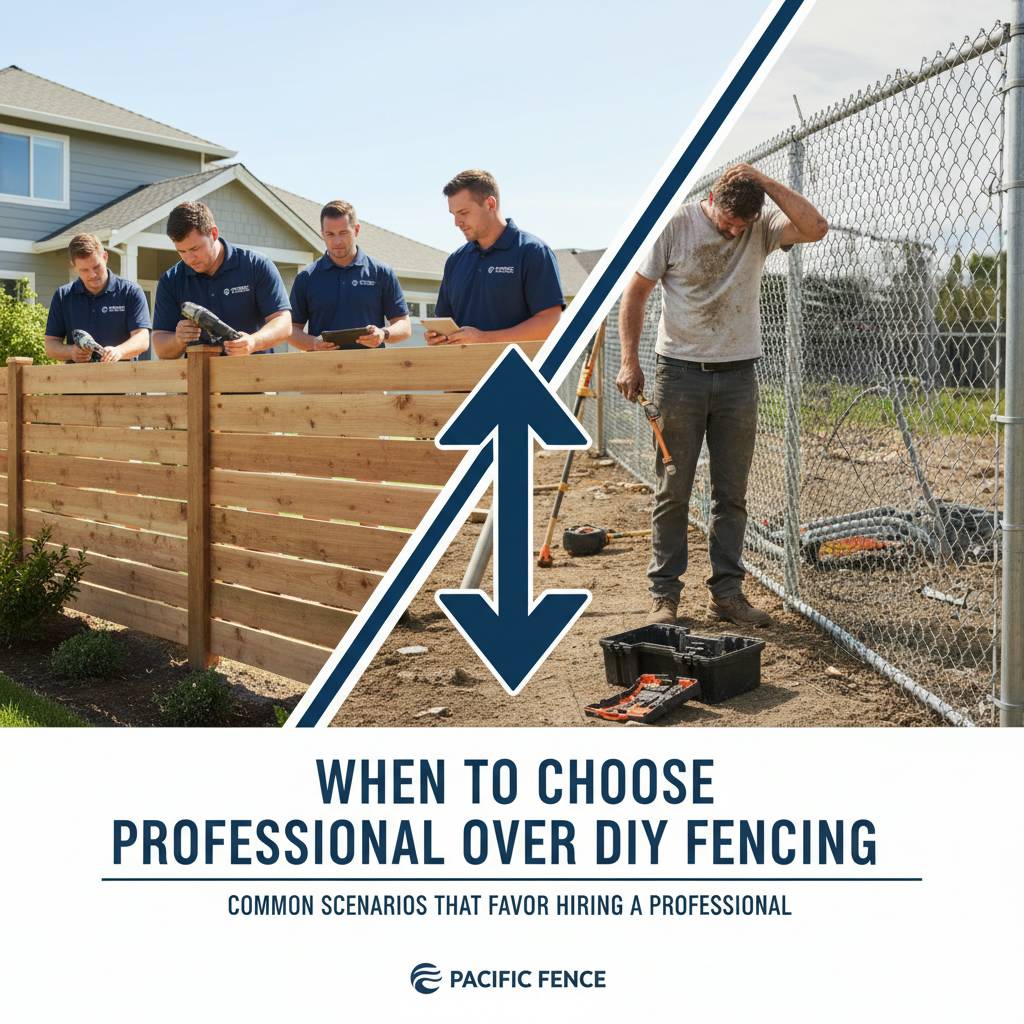 Not every fencing job needs a contractor, but some situations strongly favor professional help. If your property has steep grades, drainage issues, or complex boundary lines, the engineering and skill needed go beyond a weekend project. Professionals handle excavation, grading, and custom posts so the fence performs on challenging terrain, keeping gates aligned and panels secure over time.
Other clear flags include neighborhood restrictions, historic district guidelines, or permit-heavy cities. If you face HOA rules or building department inspections, professionals can navigate permit applications, required setbacks, and acceptable materials. That saves you time and reduces the chance of rework or fines. When the job affects shared walls, easements, or party fences with neighbors, pro involvement helps keep relationships intact and the job lawful.
Specific situations where you should strongly consider a pro
- When you need to cross or avoid underground utilities or septic fields.
- When property lines are unclear or disputed and a survey is required.
- For retaining-wall/fence combinations on steep slopes.
- For large commercial or security-sensitive installations.
- When wiring is needed for gates, lighting, or access control systems.
Cost, timeline, and hidden risks: realistic expectations
Upfront DIY savings are tempting, but the real cost equation includes time, tools, and potential rework. Professionals bring experience and equipment that shorten timelines: what takes you a full weekend could be completed in a single weekday by a crew. Time is money, and professional labor reduces the risk of mistakes that delay the project for weeks or lead to expensive fixes.
Common hidden costs include permit fees, rental equipment, replacement materials after measurement mistakes, and damage to underground utilities. For example, a simple repair after hitting a cable or irrigation line can run well beyond the typical DIY budget. Typical per-post material costs vary by style-from $75-$200 for some materials when factoring in concrete, hardware, and quality lumber-so labor sometimes becomes a relatively small portion of the total when you value reliable results.
How professionals approach complex fencing projects
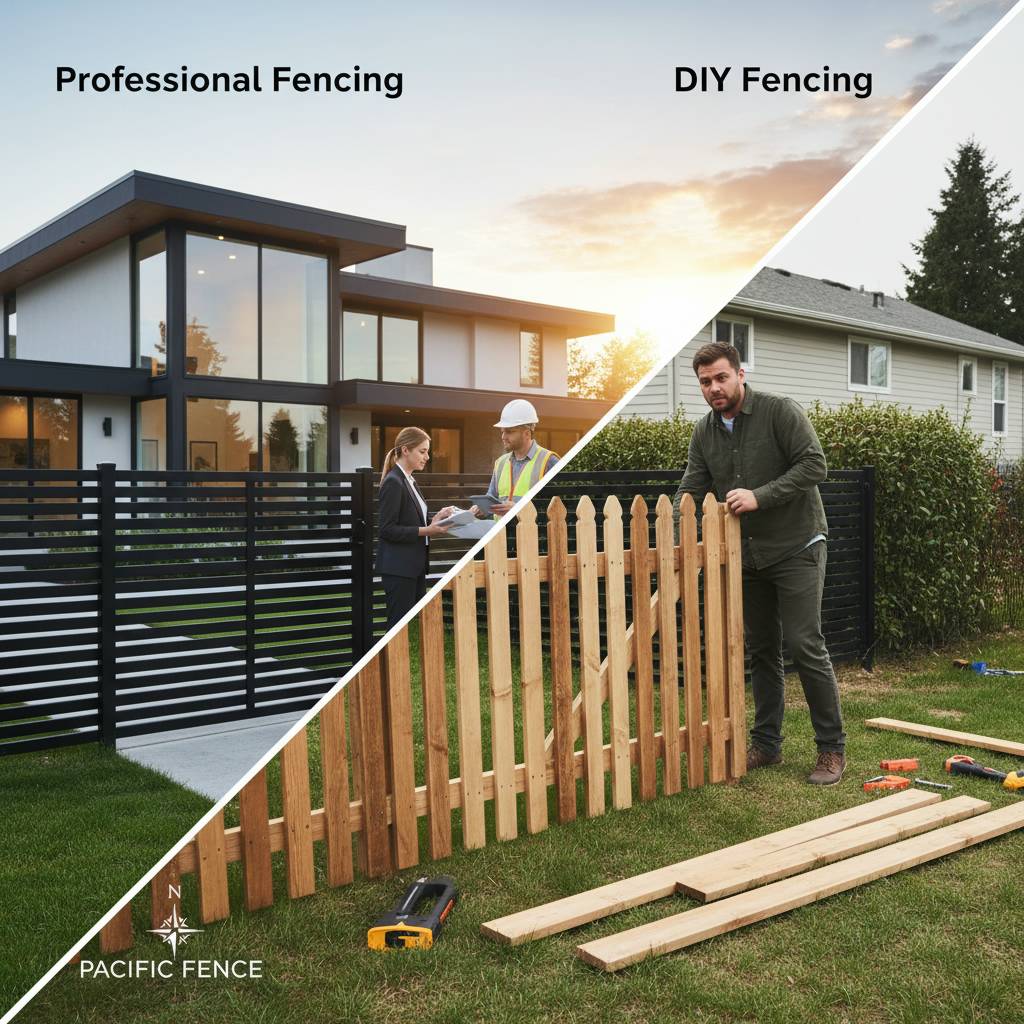 A good contractor starts with a clear assessment: site visit, property line verification, and a written scope that includes materials, timeline, and warranties. They map drainage flow, evaluate soil stability, and design appropriate footings. This upfront work prevents the common post-installation problems like sagging or water pooling at gate entries. Professional crews also sequence work to minimize landscape disruption and communicate any site preparation you need to handle beforehand.
Professional teams typically provide warranties that cover workmanship and sometimes materials. That means if a section fails due to installation error within the warranty period, it will be repaired without additional labor costs. A warranty, combined with proper insurance and licensing, reduces your exposure to unexpected expenses and liability-especially important if the fence borders public right-of-way or neighbors' properties.
What a professional estimate should include
- Detailed scope and material specifications
- Project timeline and start/finish windows
- Permit responsibilities and who pulls them
- Warranty details and cleanup obligations
- Payment schedule and milestone payments
DIY is still a great choice for many homeowners - when it makes sense
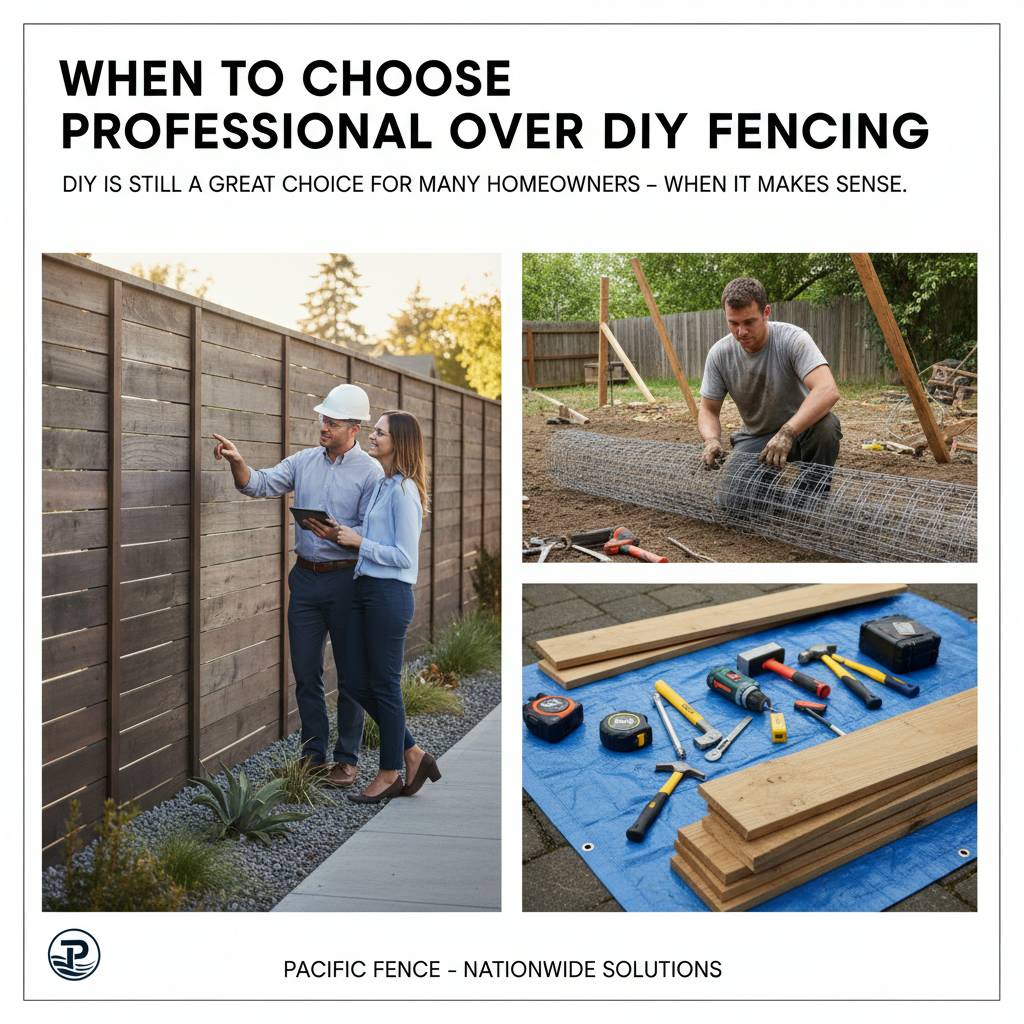 If your fence run is short, on flat ground, and uses simple materials like pre-assembled panels, DIY can be cost-effective and rewarding. Homeowners with basic carpentry skills often handle picket, low privacy, or decorative fences with good results. The key is honest assessment: know your limitations in tools, time, and technical knowledge before you commit to the project.
Choosing DIY also gives you flexibility to customize the finish and pacing of the project. If you enjoy construction and have access to a friend or two to help hold panels and set posts, you can learn as you go and save on labor costs. Still, even experienced DIYers benefit from one professional assessment or survey to confirm property lines and identify any unusual site conditions before they dig.
Comparison: DIY vs. Professional - quick reference
| Factor | DIY | Professional |
|---|---|---|
| Cost | Lower initial labor cost, but variable with mistakes and rentals | Higher upfront, but predictable and backed by warranties |
| Time | Longer unless experienced; weekends may extend for weeks | Faster completion and scheduled crews |
| Complexity | Best for simple, flat, short runs | Handles slopes, utilities, permits, and custom work |
| Risk | Higher for buried utilities, property line disputes, and structural failure | Lower due to expertise, insurance, and warranties |
How to choose the right pro and what to expect
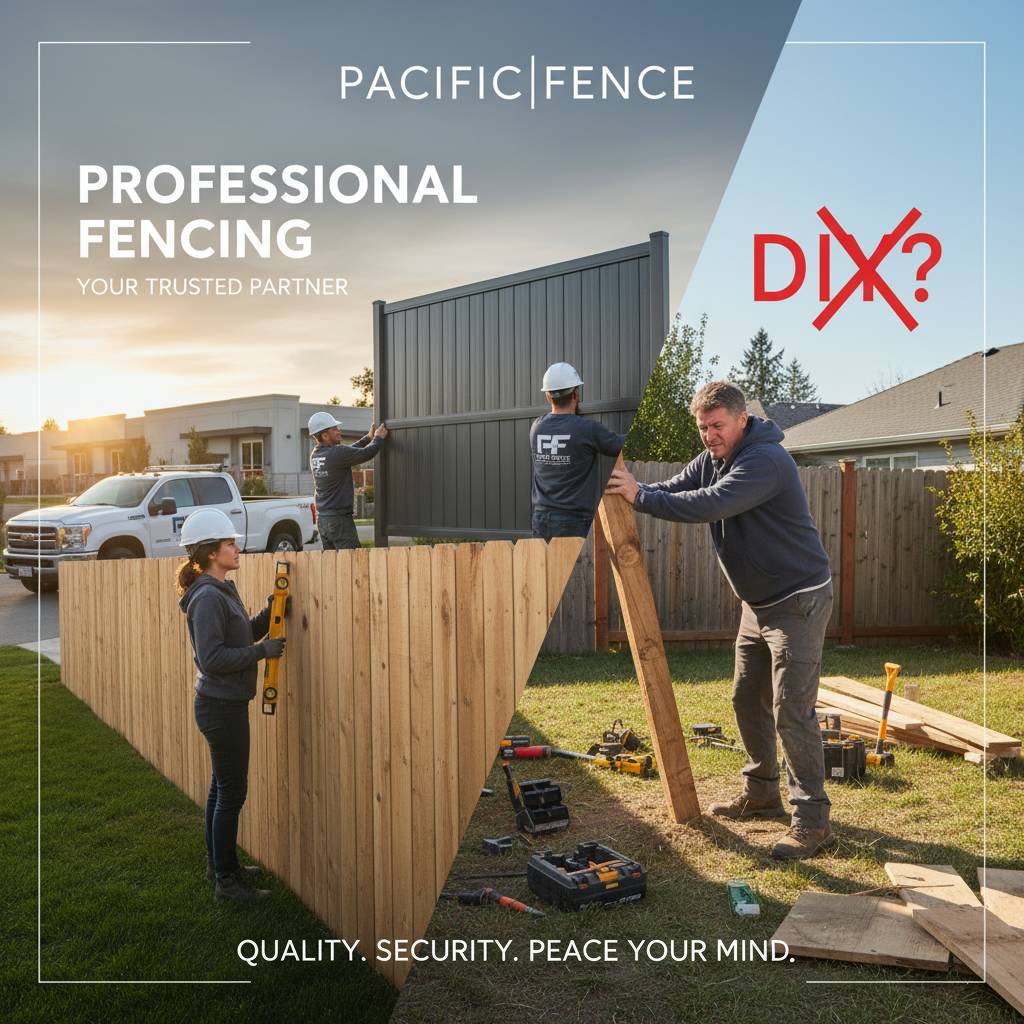 When you decide to hire, interview multiple contractors and ask for references and examples of similar projects. Request written estimates and compare scope, not just price. The lowest bid can be a red flag if it lacks detail on materials, subgrade preparation, or protective measures for landscapes. Verify licensing and insurance so you aren't liable for worker injuries or accidental damage to utilities.
Good communication is a reliable proxy for a reliable contractor. Expect clear timelines, a site cleanup plan, and a written warranty. If your project includes custom gates, automatic openers, or integrated lighting, get those specifications spelled out. A professional should also be willing to explain alternatives and tradeoffs-for example, wood vs. composite, vinyl vs. metal, or different post-hole depths on rocky soils-so you can make informed choices aligned with long-term goals.
- Ask for a start and completion window, not just a week or month.
- Confirm who is responsible for permits and inspections.
- Request a clause for change orders and unexpected conditions.
- Get warranty terms and proof of insurance in writing.
Real-life examples and short case studies
Case 1: A homeowner with a sloped backyard hired a pro after an initial DIY attempt failed. The crew installed stepped posts and custom-cut panels, added gravel drainage behind the fence line, and used longer footings for frost heave protection. The result lasted through winter cycles that previously pushed on the poorly set posts and eliminated the need for a costly rebuild after two years.
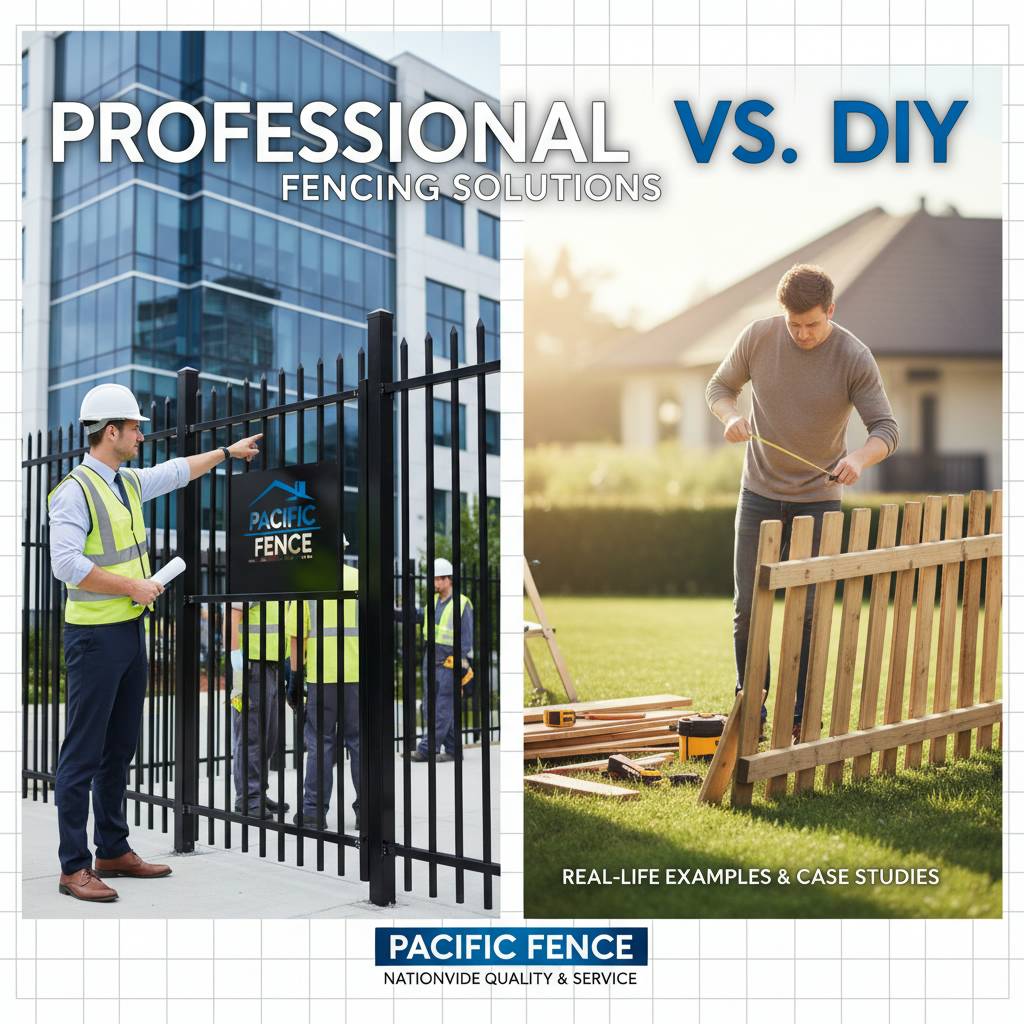
Case 2: A small business needed a secure perimeter with a motorized gate and ground-lighting. The professional team coordinated electrical permits, trenching, and gate automation wiring, delivering a functioning system that met local code. The business avoided downtime and security gaps because the contractor managed sequencing and testing prior to handover.
Frequently asked questions
How do I know if my property line is accurate?
When boundaries are unclear or neighbors disagree, hire a licensed surveyor for a reliable plat. Professionals often work with surveyors or can recommend one. A survey is especially important when the fence will sit on or near property lines, as moving it later can be expensive and legally sensitive.
Can a contractor remove an old fence and replace it the same day?
Sometimes, yes. For straightforward removals and installs on flat sites, crews can complete both in a day or two. Complications-such as hidden concrete footings, root systems, or utility conflicts-can extend the timeline. Expect the contractor to include time for disposal and site restoration in the estimate.
What should I budget for a higher-quality fence?
Prices vary by material and region, but quality fences often use better-grade posts, pressure-treated or rot-resistant materials, and heavier hardware. Expect ranges that reflect those choices and labor. For common materials, per-post and panel costs might range from economical to premium, so define performance and aesthetic goals before choosing materials.
Wrapping up and next steps
Deciding when to choose professional over DIY fencing comes down to complexity, risk tolerance, and the value you place on time and durability. If your project involves slopes, utilities, permits, or high expectations for longevity and appearance, a professional assessment is a smart first move. Pacific fence provides clear evaluations and practical recommendations so you can choose the path that fits your needs and budget.

If you'd like a quick site check or a written estimate, reach out. A short conversation can clarify whether your job is a weekend project or one that benefits from professional oversight. and the team often avoid needless work by recommending thoughtful compromises and material choices suited to each property.
Ready to find out? Contact Pacific fence at 13466814020 for a straightforward assessment and advice on next steps. We'll help you decide the right balance between DIY savings and professional reliability so your fence is built right the first time.