
Signs You Need A New Fence
Recognizing wear early can save money and protect property. Pacific fence offers inspections to identify repair or replacement needs. Call 13466814020 to schedule a prompt visit. Our team provides honest advice and cost estimates.
Fences do more than mark boundaries; they protect your landscaping, keep kids and pets safe, and contribute to curb appeal. When components begin to fail, small problems can quickly become large and expensive. That's why recognizing wear early can save money and protect property. Pacific fence can come out, assess the condition, and provide clear, realistic options so you aren't guessing about next steps.
This page walks you through the most common signs you need a new fence, how professionals assess damage, and practical choices between repair and replacement. We'll also share routine maintenance tips that extend the life of many fence types. If you spot problems, calling early-at 13466814020-means we can often prevent bigger repairs or property risk.
Common signs you need a new fence
Knowing the signs you need a new fence helps you act before issues escalate. Look for visible rot, large sections leaning or pulling away from posts, widespread rust on metal components, or repeated repairs in the same area. These are not just cosmetic concerns: they often indicate structural failure that could affect safety, privacy, or property lines.
Other red flags include loose boards, gaps that allow animals to escape or intruders to enter, and sloping that impacts drainage patterns. If paint or stain is peeling across the entire fence instead of just a few boards, or if posts wobble when pushed, these are practical indicators that a simple patch won't be long-term effective.
Keep in mind that age alone isn't the only factor-environment matters. Coastal salt air, wet climates, and frequent freeze-thaw cycles speed deterioration. When you're wondering whether it's time, use this checklist: sagging panels, persistent mold or mildew, rusted hardware, and broken or missing boards. If several appear together, it's often time to consider replacement rather than more patchwork.
Why fences fail: common causes of wear
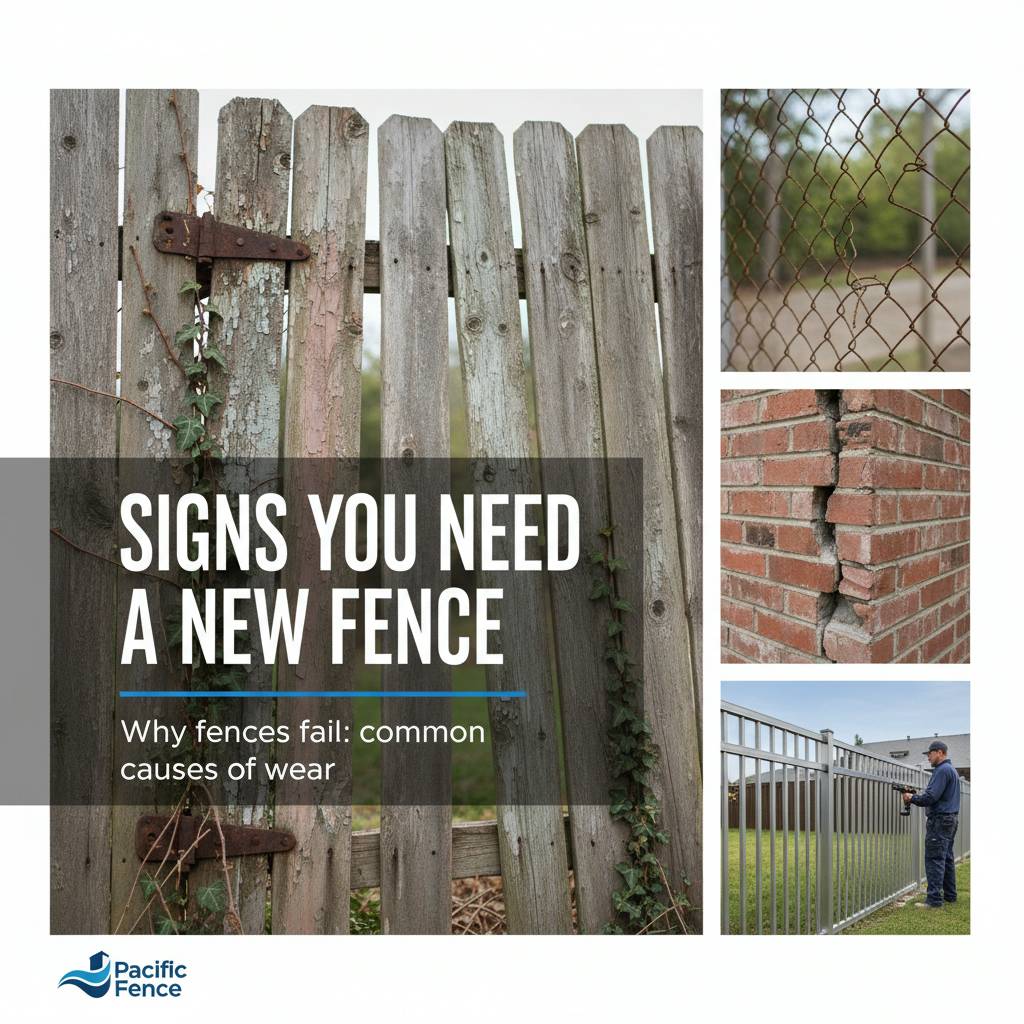 Understanding why fences fail will help you make better decisions about maintenance and replacement. Wood rot is a primary culprit for many residential fences-moisture sits on horizontal surfaces and works into fasteners, weakening boards and rails. Insects like termites or carpenter ants can also undermine structural integrity over time, especially in untreated wood.
Metal fences face different challenges. Corrosion, particularly at joints and fastener points, reduces strength and can lead to unexpected breakage. Vinyl and composite materials generally resist rot, but they can crack or become brittle under UV exposure or extreme temperature swings. Improper installation-such as posts not set deep or concrete poured without proper drainage-also accelerates failure.
Landscape and external factors play a role too. Tree roots can lift posts and panels, while irrigation sprays and splash-back from lawn sprinklers keep wood too wet. Even repeated impacts from lawn equipment or vehicles cause localized weakening that spreads. Regularly tracking these risk factors helps you catch deterioration early and extend the life of a good fence.
What a professional inspection from Pacific fence includes
When Pacific fence visits, the inspection is systematic and focused on both safety and practical lifespan. We check posts, footings, rails, and panels for movement, decay, and corrosion. Hardware like hinges, latches, and fasteners receive attention for rust and fatigue. We also evaluate gate alignment and closing mechanisms to ensure they function properly and safely.
Beyond the visible elements, we assess drainage and soil conditions around the posts, since poor drainage often causes the fastest deterioration. If there are concerns about insect activity or hidden rot, we may probe discreetly and recommend localized repairs or samples. You'll receive a written summary of findings and clear recommendations-whether repair, partial replacement, or full replacement-with estimated costs and timelines.
What you can expect from the report
The report will prioritize issues so you can decide what to address now versus what can wait. For example, a leaning panel next to a gate might be a safety priority, while cosmetic discoloration can be lower priority. We include estimated costs in ranges and explain the factors that affect the final price, such as material choice and whether posts need resetting. The goal is honest, practical guidance, not hard sells.
Repair versus replacement: how to decide
Deciding between repair and replacement depends on the extent of damage, fence age, and your long-term plans for the property. Small sections of rot, a single warped board, or a gate hinge that needs replacing are often economical to fix. However, if more than 30-40% of the fence components are compromised, replacement is usually more cost-effective in the long run because repairs add up and don't address underlying deterioration.
Climate and material matter too: a few boards replaced on a 2-year-old pressure-treated fence may be sensible, while the same fix on a 20-year-old cedar fence often postpones the inevitable and costs more over time. Likewise, if you plan on upgrading for aesthetics, privacy, or security, replacement gives you a chance to choose better materials and modern installation techniques that last longer.
Typical cost ranges and what affects price
Below is a simple table to help you estimate common scenarios. These are typical ranges and the final quote depends on site conditions, local labor costs, and materials selected.
| Service | Typical price range | Notes |
|---|---|---|
| Minor repairs (boards, hardware) | $75-$200 | Per small section; depends on parts and labor |
| Post replacement or resetting | $150-$400 | Depends on post depth and concrete removal |
| Partial panel replacement | $250-$800 | Cost varies with material and access |
| Full fence replacement (per linear foot) | $20-$75 | Wide range based on material: vinyl, wood, metal |
When we provide estimates, we clearly outline what's included-materials, labor, disposal, and any site prep. If you see repeated repairs costing more than a third of replacement price, that's a practical signal to consider a full replacement for better value over time.
Maintenance tips to extend fence life
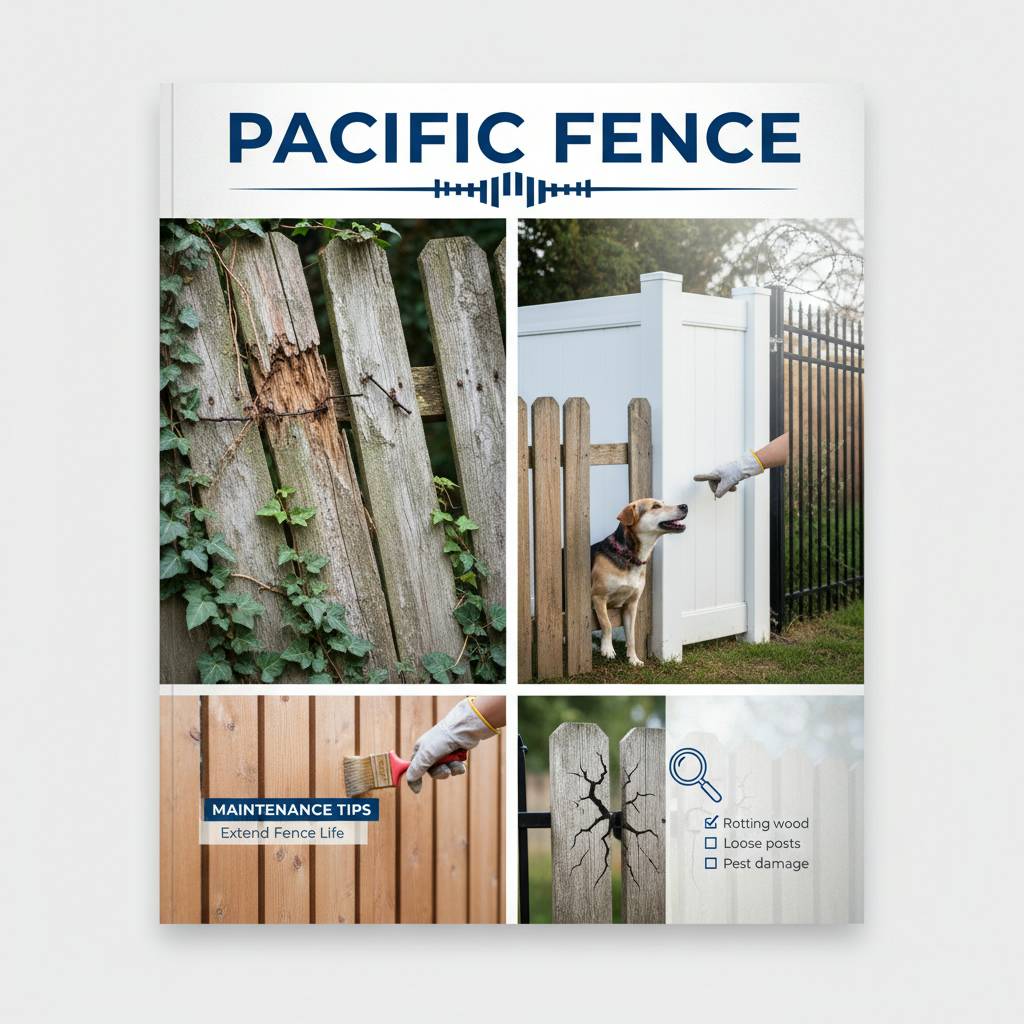 Regular maintenance slows wear and delays the need for replacement. For wood fences, apply a quality stain or sealant every 2-4 years to block moisture and UV damage. Clean the fence annually to remove mildew and plant growth that holds moisture against boards. For metal fences, wash away salt and debris, and treat rust spots quickly with an appropriate primer and paint to prevent spread.
Simple steps around the lawn also help: reroute sprinkler spray so water isn't constantly hitting the base of posts, and keep soil or mulch level below the first board to prevent constant wet contact. Trim vegetation back so plants don't press against the fence. These inexpensive actions pay off in longer service life and fewer unexpected repairs.
- Inspect your fence twice a year and after major storms.
- Address minor issues quickly to prevent escalation.
- Use galvanized or stainless fasteners for longer-lasting connections.
- Consider composite or vinyl for low-maintenance replacements in harsh climates.
Real examples and what we recommend
One common scenario we see is a five- to ten-year-old wood privacy fence with multiple boards rotting at the bottom where irrigation splashes. In that case, we often recommend targeted repairs and improving drainage if the posts are sound. But if several adjacent posts wobble or panels sag, replacing the full run is usually safer and more economical over the next decade.
Another frequent case involves older metal fences where hinge hardware and top rails have rusted but the posts remain sturdy. For that, we'll often replace the rusted components, reinforce connections, and apply protective coatings. If corrosion extends into foundational elements, however, replacement is the prudent choice to avoid sudden collapse or safety risk.
occasionally appears in our reports as shorthand for routine checks, but every property is unique and we tailor solutions to what we find. Our aim is to pair honest assessment with clear options so you can plan repairs or upgrades in a way that fits your budget and priorities.
Common questions we hear (FAQ)
How do I know if a leaning fence is a safety concern?
If a fence leans noticeably when compared to neighboring lines or requires effort to push upright, it's a safety concern-especially if children, pets, or property boundaries are at stake. Leaning often means post or footing failure; we check whether posts can be reset or must be replaced. Don't delay calling a pro: a failing fence can fall unexpectedly and cause damage or injury.
Can broken boards be patched instead of replaced?
Yes, isolated broken boards can often be patched or swapped for new ones, which is cost-effective. The key question is whether replacement addresses the root cause. If boards break due to rot in surrounding wood or compromised posts, patching will be temporary. We inspect surrounding components and recommend the solution that provides lasting value.
Are some fence materials better for longevity?
Material choice matters. Vinyl and composite materials resist rot and insect damage and require minimal maintenance, but they can be more costly up front and may crack under impact. Pressure-treated wood is a balanced, traditional choice with good lifespan when maintained. Aluminum performs well against rust when properly treated and is durable for ornamental and security uses. We help weigh appearance, budget, and climate factors to find the right fit.
Call to action and next steps
If you've noticed multiple signs you need a new fence or you're simply unsure, an inspection is the fastest way to get clear answers. Pacific fence offers prompt, professional assessments with written summaries and honest cost estimates so you can make informed decisions without pressure. Call us at 13466814020 to schedule a visit.
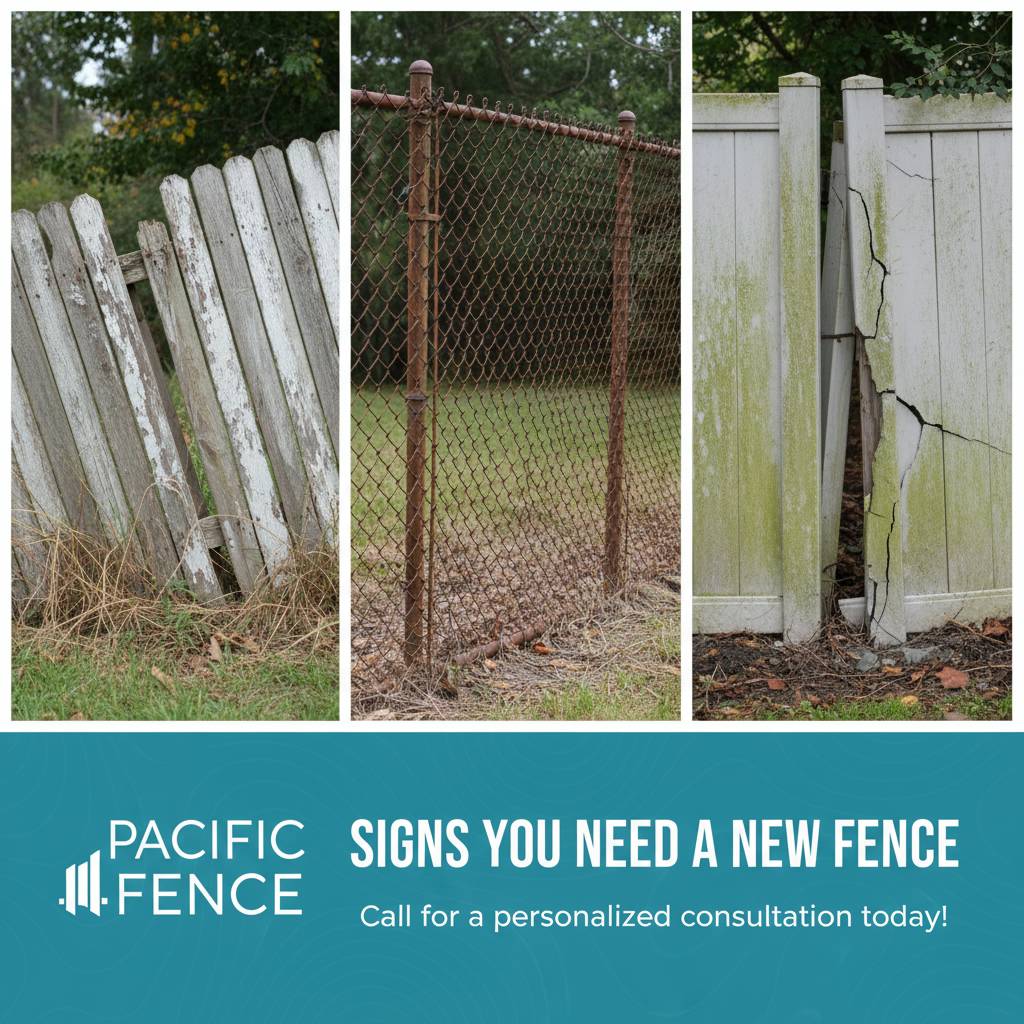
Prefer a quick checklist first? Walk your fence and mark areas with sagging, wobbling posts, extensive rot, or rusted hardware. Taking photos and noting the location of problem areas helps our team prepare and speeds the assessment during the scheduled visit. Small steps now often prevent large expenses later.
Closing
Protecting your property starts with knowing when a fence needs attention. Early recognition of damage not only saves money but keeps your yard and family safe. Pacific fence is ready to help you evaluate the condition, explain options clearly, and deliver dependable repairs or replacements when needed.
For a prompt, honest inspection and estimates you can trust, contact Pacific fence at 13466814020. We look forward to helping you protect and improve your property.