Questions To Ask Fence Installation Contractors
Asking the right questions protects your investment and ensures quality
When you hire a contractor for a fence project, the questions you ask determine the outcome. Pacific fence encourages clients to request credentials, insurance, and references before any work begins. A thoughtful conversation up front saves time, money, and stress later. If you want a simple vetting checklist, call 13466814020 to get one tailored to your property and goals.
Many homeowners and property managers assume a bid or an estimate is sufficient. In reality, understanding how a contractor works, what materials they recommend, and how they handle unexpected challenges reveals far more. This guide lays out practical, specific questions to ask fence installation contractors, suggests how to compare proposals, and explains the documentation you should insist on before signing anything.
Why asking questions matters for long-term value
Fences are more than a cosmetic upgrade; they protect privacy, define boundaries, and can affect property value. Choosing the right installer matters because poor workmanship or cutting corners leads to repairs, replacements, and legal headaches. Asking informed questions helps you identify contractors who value craftsmanship and accountability.
Quality fencing requires the right permits, proper footings, and familiarity with local codes. A contractor who anticipates common issues and communicates solutions demonstrates professionalism. Conversely, a vague or evasive response to basic questions about scope, timeline, or warranty is a clear signal to dig deeper or consider other options.
Credentials, insurance, and documentation to request
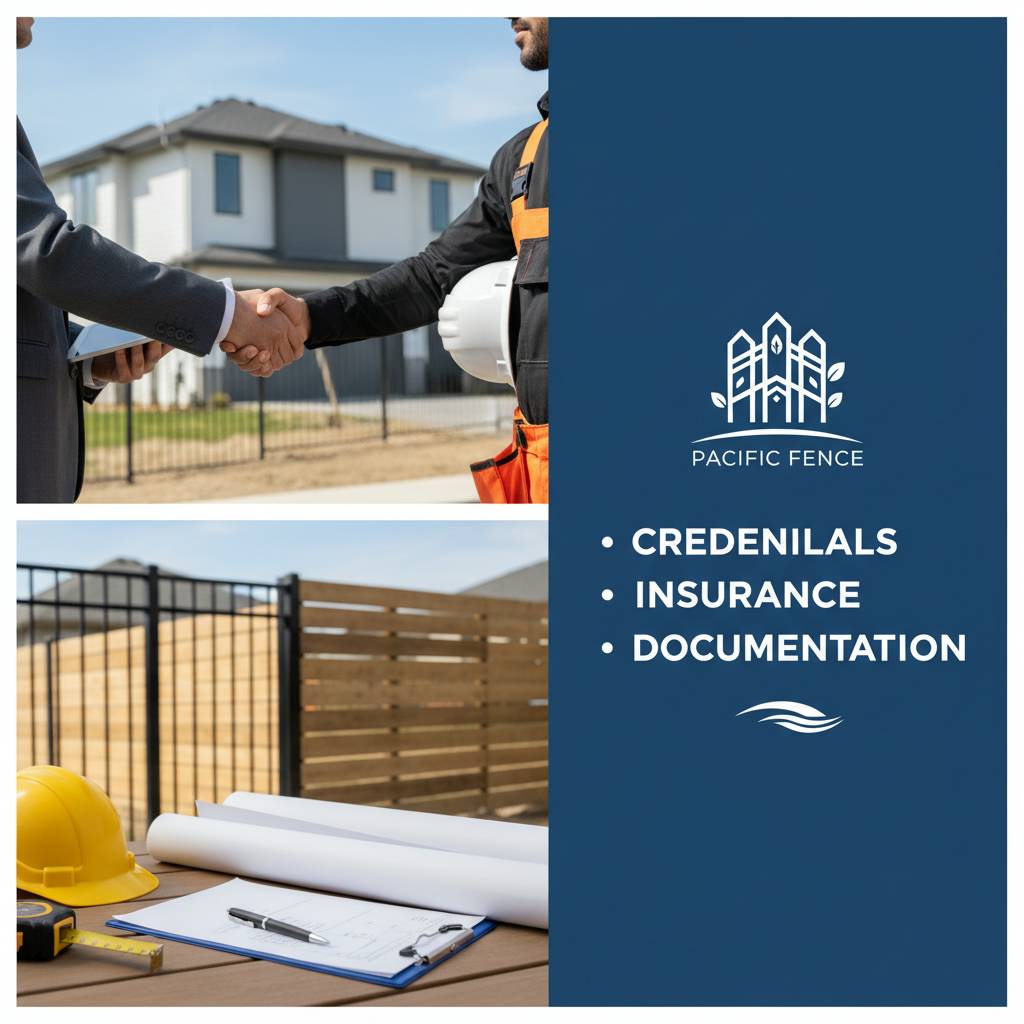 Start by asking for proof of the basics: business license, liability insurance, and worker's compensation. These documents protect you if someone is injured on the job or if property is damaged. Make it a condition of the contract that valid insurance remains in force for the duration of the project and that you receive copies or policy numbers to verify with the carrier.
Licensing and trade credentials vary by state and municipality. Ask whether the contractor is licensed to perform fence work in your area and whether they carry any manufacturer certifications for specific materials, like vinyl or metal systems. Manufacturers often require certified installers for warranties to remain valid.
Always request references and a portfolio of recent work. A reputable contractor will gladly share three or more references and provide photos or site addresses of completed projects. Follow up on those references and, where possible, visit a finished job to see workmanship and material condition firsthand.
Specific questions to ask fence installation contractors
Use this list as a starting point during the initial phone call and again at the on-site estimate. These questions are focused on details that expose competence and transparency rather than generic sales language.
- Are you licensed to perform fence installation in my city and do you have local permits when required?
- Can you provide proof of general liability insurance and worker's compensation coverage?
- How long have you been installing fences in this region, and can you provide recent references?
- Which materials do you recommend for my property and why (wood, vinyl, aluminum, chain link, composite)?
- What specific brands or product lines do you use, and are those materials covered by manufacturer warranties?
- How do you handle property lines and utility verification-do you require a survey or call before digging?
- What is your process for hidden obstacles like tree roots, ledge rock, or drainage issues?
- Do you provide a written estimate with a detailed materials list, labor breakdown, and timeline?
- What warranties do you offer for labor and materials, and what does the warranty exclude?
- How do you handle change orders and unforeseen conditions that affect price or schedule?
These questions push contractors to be specific. When answers are ambiguous, ask for clarification in writing. Honesty and clarity at this stage indicate the level of communication you can expect during the project.
Evaluating bids: more than price per foot
Price is important, but the lowest bid isn't always the best value. Compare proposals line by line: look for material grades, post spacing, concrete footing depth, and hardware quality. A detailed bid helps you see where a low price might reflect lower-quality materials or omitted steps you'll have to pay for later.
Consider the long-term cost of ownership. For example, pressure-treated wood may have lower upfront cost but require annual maintenance; vinyl costs more initially but reduces repainting and repair expenses. Expect to see estimates that include a materials list, labor hours, cleanup, disposal, and any preparations such as rot-proofing or galvanized fasteners.
When bids vary widely, ask contractors to explain the differences. A contractor who can justify higher costs with better materials, deeper footings, or a longer warranty demonstrates professional judgment. If needed, create an apples-to-apples comparison by requesting pricing for the same material and specifications from multiple bidders.
Red flags and warning signs to watch for
 Certain behaviors and omissions during the bidding process signal potential problems. Watch for contractors who demand large upfront payments, refuse to provide written contracts, or who only accept cash. These are common tactics used by unreliable operators who may disappear mid-project or avoid accountability.
Other red flags include vague estimates, no proof of insurance, or reluctance to provide references. If a contractor pressures you to skip permits or suggests cutting corners to save time or money, that is a major concern. Reliable contractors prioritize compliance and will explain why permits and inspections protect both parties.
Verification steps: simple checks that build confidence
After you collect documents and references, take a few verification steps that are easy but often overlooked. Call the insurance provider to confirm coverage and effective dates. Look up business licenses on your city or county website. Contact listed references and ask specific questions about punctuality, cleanup, communication, and whether the final cost matched the estimate.
For high-value or complex projects, consider hiring a third-party inspector or requesting an independent materials certification. If the project crosses property lines or involves easements, obtain a survey and check local zoning restrictions. A little diligence up front reduces the likelihood of disputes mid-project.
Sample checklist and timeline expectations
Use this short checklist to keep conversations focused and ensure you have the documentation you need before work begins. Keep copies of everything with your contract folder so you can refer to them if questions arise later.
- Verify business license and contractor registration.
- Obtain certificates for general liability and worker's compensation insurance.
- Request three references and photos of completed jobs.
- Get a detailed written estimate with materials and labor breakdown.
- Confirm permit responsibilities and expected inspection points.
- Agree on start date, estimated completion, and cleanup responsibilities.
- Sign a written contract that includes payment schedule and warranty terms.
Typical timelines vary by project scale and site conditions. A straight run of residential wood or vinyl fencing might be completed in 2-5 days, while larger, custom, or commercial projects may take several weeks. Weather, material lead times, and permitting can extend schedules, so agree on a realistic window and a process for communicating delays.
Common costs and how to interpret price ranges
Costs depend on material choice, terrain, gate complexity, and local labor rates. As a general reference, expect material and installation to fall within common ranges such as $75-$200 per linear foot for a typical installed fence depending on materials and complexity. Always verify whether the estimate includes gates, hardware, permit fees, and removal of an existing fence.
When a price seems unusually low, ask what is excluded. Some contractors will omit site preparation, concrete footings, or hardware to appear competitive. Conversely, higher bids should justify their premium with better hardware, warranty coverage, or superior installation methods. Transparency about what is included in the price prevents surprises at punch list time.
FAQs: quick answers to common concerns
Do I need a survey before fence installation?
In many cases a survey is recommended, especially when property boundaries are unclear or neighbors dispute lines. Some contractors will require a survey before they start. If you share a fence with a neighbor, coordinate decisions about placement and responsibility to avoid future disputes.
What if unforeseen conditions increase the price?
A professional contractor will document unforeseen conditions and provide a written change order explaining cost and time impacts before proceeding. Avoid contractors who insist you must pay more without a written agreement specifying the reason and amount. Clear change order procedures protect both parties.
Final checklist and closing advice
Vetting contractors with the right questions is the most practical way to protect your investment. Ask for licenses, insurance, references, detailed bids, and written contracts. Confirm warranties and be clear about permit responsibilities. These steps ensure you hire someone who will deliver value and stand behind their work.
Pacific fence prides itself on transparent communications and documented processes. If you would like a customized checklist or an on-site consultation, call 13466814020. We respond transparently to build trust and help you make informed decisions.
Ready to start? Request a free checklist and a no-obligation estimate when you call 13466814020. Our team is happy to walk you through the questions to ask fence installation contractors and set realistic expectations for your project.
Contact Pacific fence today at 13466814020 to protect your investment and ensure quality workmanship. We look forward to helping you vet contractors and complete a fence you can depend on.