Is Professional Fence Installation Necessary
Professional installation can prevent costly failures down the road
When you're planning a new fence or replacing an old one, the decision to hire a pro isn't merely a matter of convenience. Pacific fence evaluates your site to recommend the right approach, taking into account slope, soil type, local codes, and how you plan to use the space. A thoughtful site review reduces surprises, avoids unnecessary expenses, and keeps your timeline realistic. If you want clear guidance, call 13466814020 for a site review and straightforward recommendations.
Many homeowners ask, is professional fence installation necessary? It's a fair question, especially if you're handy. The short answer is: sometimes you can handle simple projects, but for most property lines, heavier materials, or complicated terrain, investing in a qualified installer saves money and frustration over the long run. This page walks through the reasons, the risks, and what to expect from a professional installation so you can decide with confidence.
Why professional installation matters
Professional installation goes beyond digging holes and setting posts. Experienced crews know how to preserve gate alignment, prevent water pooling at the base, and select fasteners and hardware that match the climate and material. Those details affect how long a fence lasts and how well it performs in wind, rain, freeze-thaw cycles, or high-traffic areas. Skipping them can lead to sagging, rotting, or early failure.
Another big reason to use a professional is compliance. Local building codes, setback requirements, and utility markings matter. Professionals coordinate with utility companies for safe digging and are familiar with permitting processes that can otherwise delay work or lead to fines. That administrative overhead is often overlooked in DIY planning but is a routine part of a pro's estimate and schedule.
Common failures that stem from improper installation
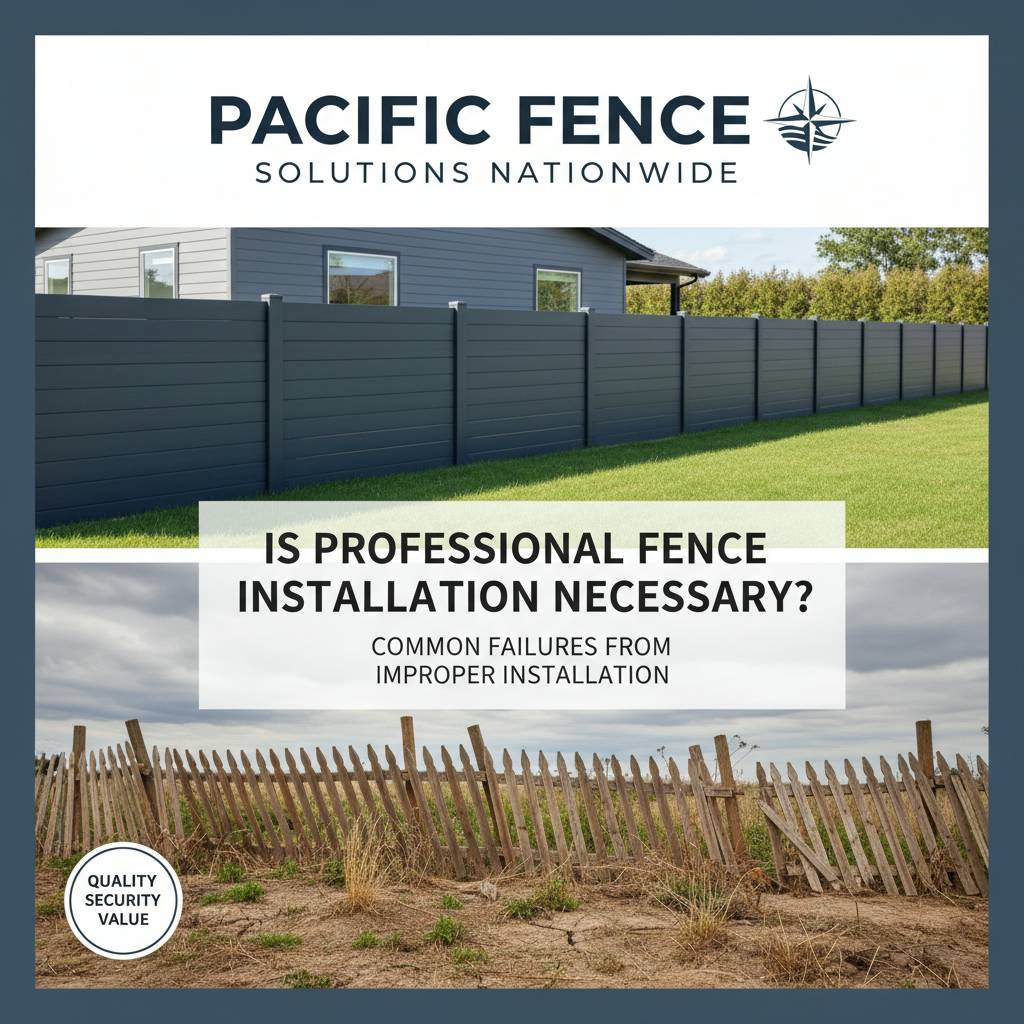 When fences fail prematurely, the cause is frequently something that could have been prevented with proper installation. Posts not set deep enough or in the wrong concrete mix can heave or lean. Boards attached without adequate ventilation can trap moisture and rot. Inadequate gate framing will let hardware twist and sag, creating alignment problems and security gaps. These failures create both repair costs and lost usability.
Material mismatch is another common issue. Using interior-grade screws on exterior-grade boards, or the wrong type of post for a wet site, accelerates deterioration. Professionals specify and source hardware designed for outdoor exposure and for the fence material you choose, which reduces maintenance and extends service life. In short, the right materials plus correct installation are what prevent early replacement and costly callbacks.
What a professional site review includes
During a site review, a pro evaluates conditions that influence the installation approach. Expect them to walk the fence line with you, locate existing utilities, and measure elevations. They'll identify erosion-prone spots, tree roots that could interfere with posts, and potential drainage issues. A good review also includes a conversation about intended use-privacy, security, pets, aesthetics-so the solution matches how you'll actually use the fence.
Key items checked during a review
- Property boundary and survey or staking requirements
- Soil composition and drainage patterns
- Presence of underground utilities and necessary clearances
- Vegetation, trees, and root systems that affect excavation
- Access for equipment and staging materials
With that information, professionals can provide a realistic proposal that outlines the scope, timeline, and cost. They'll also flag any special considerations, such as the need for retaining walls or custom gates, which can add complexity but are essential to a durable outcome. This upfront clarity is why many homeowners find the site review worth the time.
Cost considerations and value-what you really pay for
Installation costs vary by material, site complexity, and region. Labor is only one component-there's also the cost of quality posts, concrete, fasteners, and finishing. While a DIY project might save on immediate labor, hidden costs like rework, specialized tools, and faster material deterioration can erase those savings quickly. Professionals provide warranties that cover workmanship, which protects your investment and often proves economical over time.
| Fence Type | Typical Materials Range | Typical Installation Considerations |
|---|---|---|
| Wood privacy | $75-$200 per linear foot (material and labor vary) | Proper posts, rot-resistant materials, sealants, gate framing |
| Vinyl | $60-$180 per linear foot | Precise post spacing, allowance for thermal expansion |
| Chain link | $20-$80 per linear foot | Correct tensioning, secure post set, suitable top rail |
| Aluminum/steel | $40-$150 per linear foot | Powder-coated hardware, proper anchoring and alignment |
These ranges are illustrative and vary widely with local labor rates and site difficulty. A professional quote breaks out materials and labor clearly, so you can see where money is being spent and why. Choosing the lowest bid without understanding the details can be a false economy if shortcuts are being taken.
How professionals approach tricky sites
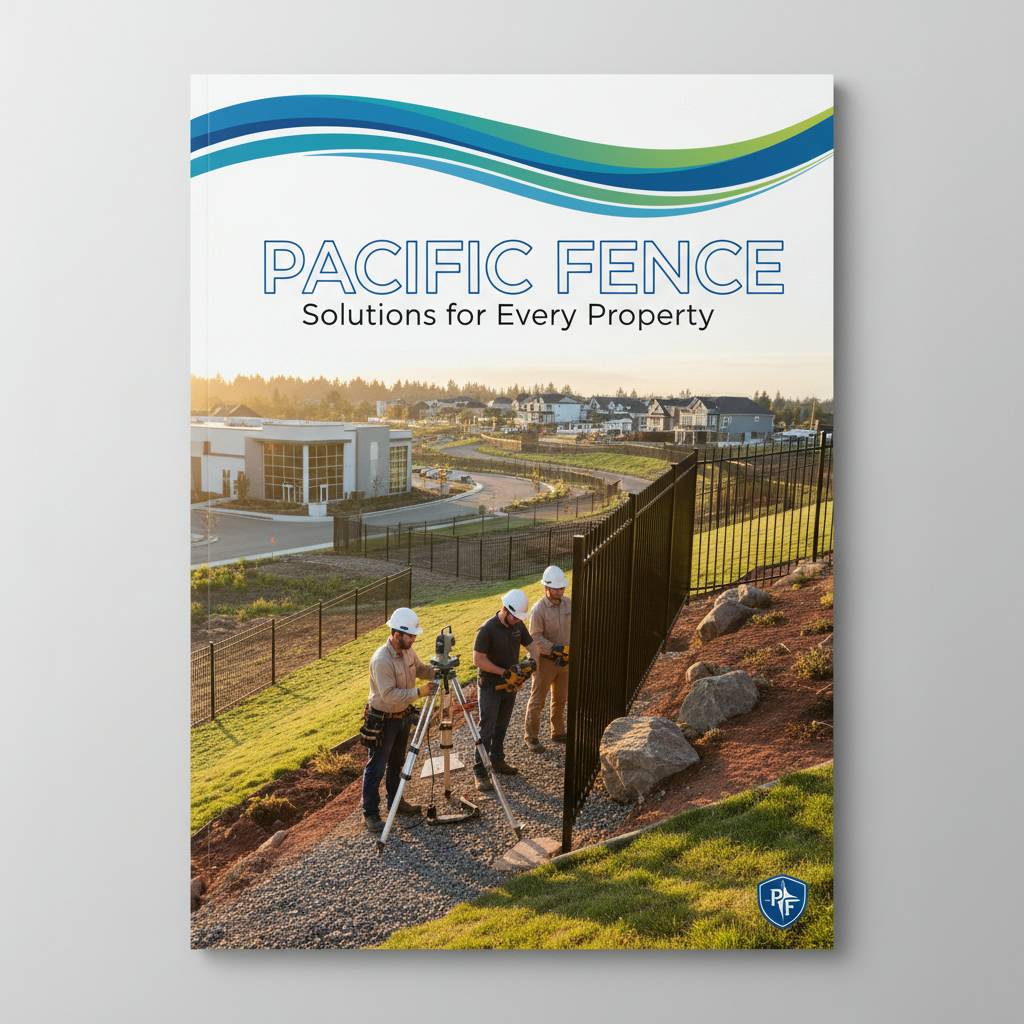 Hills, sloping yards, and rocky or clay-rich soils introduce challenges that change how a fence is designed and installed. In steep terrain, installers may step the fence or use tiered posts to maintain appearance and structural integrity. In soft or extremely wet soils, longer posts or deeper concrete footings are often recommended to resist frost heave and settling. Pros bring solutions and the right tools so these sites perform well over time.
When trees or mature landscaping are involved, a thoughtful installer preserves plants while achieving a sturdy fence line. That might mean adjusting post locations to avoid major roots, using hand-excavation near sensitive areas, or recommending alternate materials that blend with the landscape. These are small decisions during planning that prevent major headaches later and keep both the fence and your yard in good shape.
Choosing the right installer: what to look for
Finding a competent installer means doing more than comparing prices. Ask for references and look at recent project photos to confirm quality and consistency. Verify licensing and insurance to protect yourself from liability. A good installer will provide a written estimate that includes a clear schedule, material specifications, and warranty terms. They should also be able to explain their process in plain language so you understand each step.
Communication is part of the service. Professionals who return your calls, show up on time for the site review, and respond clearly to questions will likely manage the job well. If you have specific concerns-pet containment, visibility lines, or HOA requirements-bring them up early. The right contractor integrates those preferences into a workable plan and adjusts where necessary without cutting corners.
What to expect during the installation process
Typical installations follow a predictable sequence: marking the line, digging and setting posts, installing rails or panels, attaching pickets or fabric, and finishing hardware or gates. The timeline depends on fence length, complexity, and weather. A straightforward run of fence might take a few days, whereas a multi-gate, custom design could take a week or more. Professionals plan work in stages so you always know what's next and why.
During the job, expect some disruption: equipment, noise, and temporary loss of yard access are normal. A reliable crew will manage debris, protect plants where possible, and leave the site tidy each day. After installation, they should walk the completed fence with you, demonstrate gate operation if applicable, and provide maintenance tips. This post-install walkthrough is when you confirm the project meets the agreed scope and quality.
Common questions and straightforward answers
Is professional fence installation necessary for every project?
Not always. Small ornamental fences or temporary garden barriers can often be tackled by experienced DIYers. However, for privacy fences, long runs, or projects with uneven terrain or drainage issues, a professional is strongly recommended. The time saved, improved durability, and reduced risk of mistakes often make professional installation the better long-term value. If you're unsure, a site review from a pro can help you decide.
How long should a properly installed fence last?
Material and maintenance determine lifespan. With correct installation and routine care, a pressure-treated wood fence can last 15-20 years, vinyl and aluminum can last decades with little maintenance, and chain link can endure 20-30 years depending on galvanization and coating. The installation method-correct post depth, quality hardware, and attention to drainage-plays an outsized role in reaching those lifespans.
Can an installer work around property disputes or surveys?
Installers rely on accurate boundary information. If there's uncertainty, get a property survey before installation. Professionals can often recommend surveying services or coordinate with your surveyor. Working on a fence that crosses a disputed line can lead to legal problems, so clear boundaries are an essential prerequisite to avoid future headaches.
Small investments that yield big returns
Adding features like stainless-steel hardware, metal post anchors in wet soils, or a weather-resistant finish might cost a bit more up front but often saves money later by preventing corrosion and rot. Consider these investments in the context of total lifetime cost rather than initial outlay. A well-installed fence that resists deterioration avoids mid-life replacements and multiple repairs that create both cost and inconvenience.
Warranties matter. Materials often carry manufacturer warranties, and professional installers should offer workmanship guarantees. Confirm the terms and duration, and keep documentation in a safe place. This coverage is not just a comfort; it's financial protection that aligns installer incentives with long-term performance.
Case example: solving a slope and drainage challenge
A homeowner with a steep slope and a seasonal runoff problem wanted a privacy fence without blocking drainage. During a site review, the installer recommended stepped panels rather than a continuous slope, extended post footings into rockier soil for extra holding power, and added gravel-filled swales beneath the fence to channel water. The result maintained privacy and protected the fence from washout and rot, illustrating how a professional diagnosis avoided repeated repairs.
Small site-specific solutions like this are common outcomes of a thorough review. They often cost less than you might expect and avoid the more expensive consequence of replacing a failed fence section later. That's the practical benefit of expert planning and execution.
Next steps and how Pacific fence helps
If you're weighing the question is professional fence installation necessary for your project, start with a site review. Pacific fence offers clear, no-pressure evaluations that identify risks and opportunities. Whether you want a simple picket fence, a robust privacy barrier, or a custom gate, an informed plan helps you budget correctly and achieve an outcome that lasts.
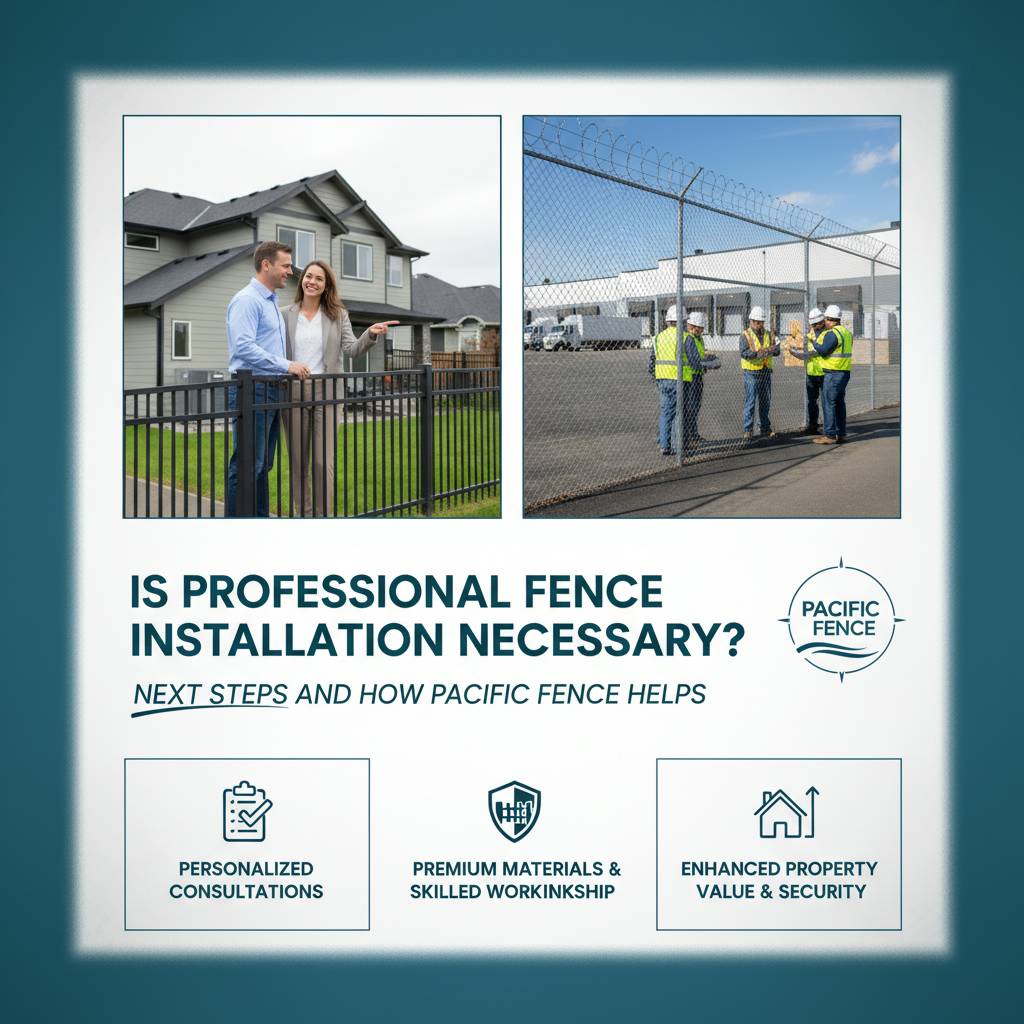
Our team will provide a written proposal with material choices, timeline, and a transparent cost breakdown so you can compare options confidently. If you prefer, ask about phased work that spreads cost over time while still protecting the important areas first. To schedule a review or get practical answers, call 13466814020 and we'll set up a time that works for you.
Ready to get clarity on your project? Contact Pacific fence for a comprehensive site review, precise recommendations, and a transparent proposal. Investing a little time up front can prevent costly failures later and keep your property safe and attractive.
We look forward to helping you make the best decision for your fence. Call Pacific fence at 13466814020 to arrange a site visit or to ask any questions you have about materials, permits, or timelines.