How Professional Installation Improves Fence Longevity
Proper installation extends the life of your fence and reduces future costs. Pacific fence applies best practices to ensure posts and materials perform as intended. Call 13466814020 to learn how we protect your investment. Our process focuses on durability and code compliance.
Why proper installation matters
Choosing a quality fence material is only the first step; correct installation is what determines long-term performance. Properly set posts, adequate drainage, and precise alignment prevent the most common failure points that lead to warping, leaning, and premature rot. Understanding how professional installation improves fence longevity is critical for homeowners and property managers who want predictable performance and lower lifecycle costs.
When a fence is installed to industry standards, every component functions as intended. Posts anchored to the right depth and in the correct soil conditions hold gates square, panels stay level, and protective coatings remain intact longer. Installation that considers local weather, soil composition, and intended use reduces the need for reactive repairs and expensive replacements down the road.
Foundations and post installation: the backbone of durability
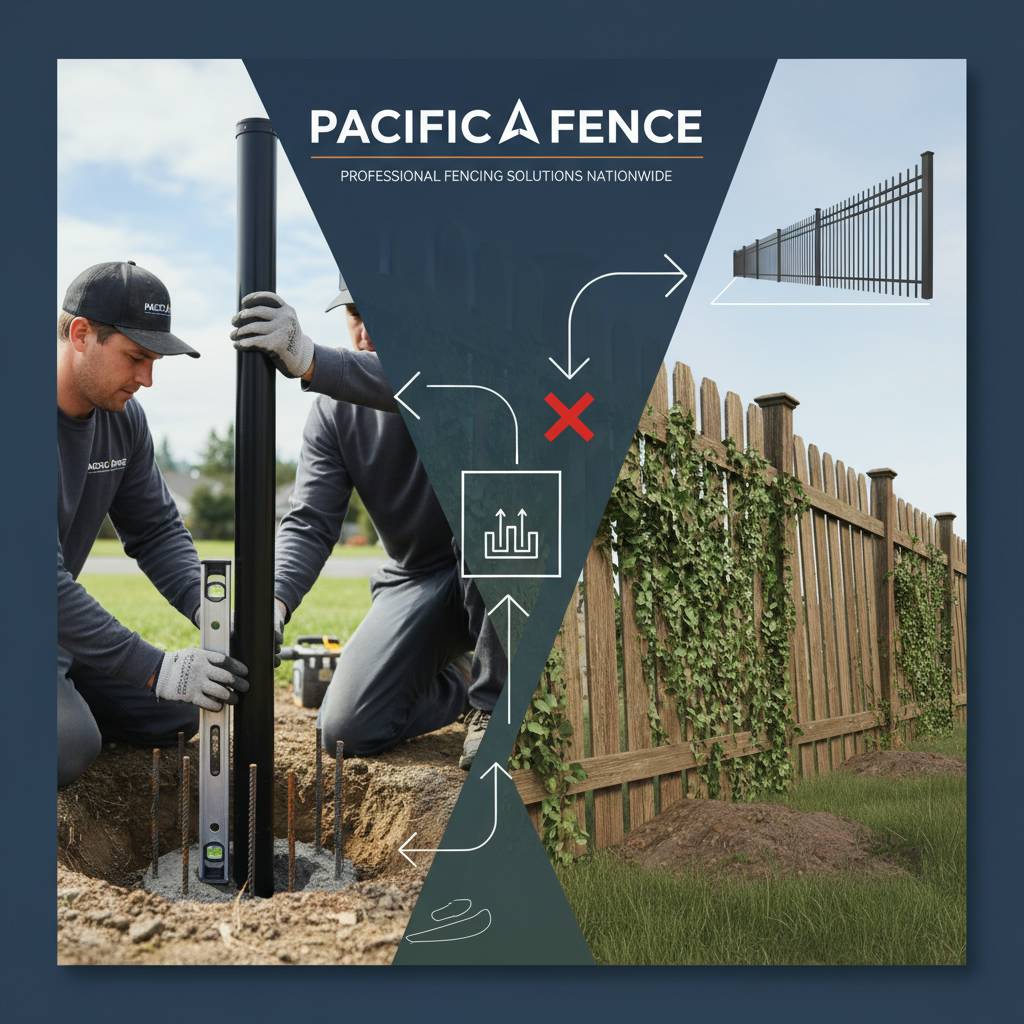 Posts bear the structural load of the entire fence; if they fail, the whole system is compromised. Professionals evaluate soil type, frost depth, and drainage to choose appropriate hole depth and backfill. Typical post depths vary by region, but ensuring posts are set below frost lines and on stable footing dramatically reduces frost heave and leaning. In many cases, concrete footings or compacted aggregate are used to stabilize the post without trapping moisture against treated wood.
Proper post installation also includes correct spacing and bracing. Too wide a span between posts increases stress on panels and fasteners, while too narrow a spacing adds unnecessary cost. Professionals balance aesthetics, wind load, and material strength to set an optimal spacing that preserves performance and minimizes sagging. For gates, reinforced posts and through-bolting hardware are used to prevent twisting under use.
Drainage around posts is another frequently overlooked detail. Standing water accelerates rot in wood and promotes corrosion in metal connections. Our installers incorporate drainage strategies-such as drainage rock, angled concrete pours, or surface grading-to direct water away from vulnerable connections. These small adjustments at installation pay dividends in reduced maintenance and longer service life.
Material selection, treatment, and installation compatibility
Not all materials behave the same once exposed to the elements. Wood, vinyl, aluminum, and steel each have distinct strengths and weaknesses that influence installation technique. For example, wood posts require careful drying and pressure treatment to resist decay, while metal posts benefit from isolation from dissimilar materials to prevent galvanic corrosion. A professional installer matches fastening systems and separation techniques to the chosen material to prevent premature failure.
Surface treatments and finishes are part of installation planning as well. Staining or sealing wood at the time of installation locks in protection for end grains and pre-cut surfaces. For metal fences, powder coating or hot-dip galvanizing applied before installation offers better long-term corrosion resistance than field-applied paint alone. Selecting compatible fasteners-stainless steel or hot-dipped galvanized for treated lumber, for instance-prevents staining and structural weakening over time.
When combining materials, such as wood rails with metal posts or vinyl boards on a steel frame, isolation techniques and correct fasteners are essential. Professional installers ensure that contact points are designed to avoid moisture traps and chemical reactions, and they install flashings, caps, or drip edges where necessary to keep water away from vulnerable joints.
Code compliance, permits, and neighborhood standards
Local regulations, easements, and HOA rules often dictate fence height, setback, sight lines, and material restrictions. A common source of unexpected expense is installing a fence that later must be altered to meet code or easement requirements. Professional installation teams routinely handle permit applications, locate property lines, and coordinate inspections to ensure the finished fence is compliant and defensible against disputes.
Beyond legal compliance, best-practice installation accounts for safety standards-such as child-safe gate latches, gap limitations to prevent entrapment, and breakaway features for agricultural or high-wind regions. Designers who understand both code and practical performance produce fences that meet local requirements while retaining functionality and appearance for years.
In addition, proper site evaluation before installation avoids surprises like buried utilities, tree roots, or hidden drainage lines. Professionals either obtain utility locates or coordinate with homeowners to avoid damaging critical services, which protects both property and the installation schedule.
Common mistakes that shorten a fence's life-and how professionals prevent them
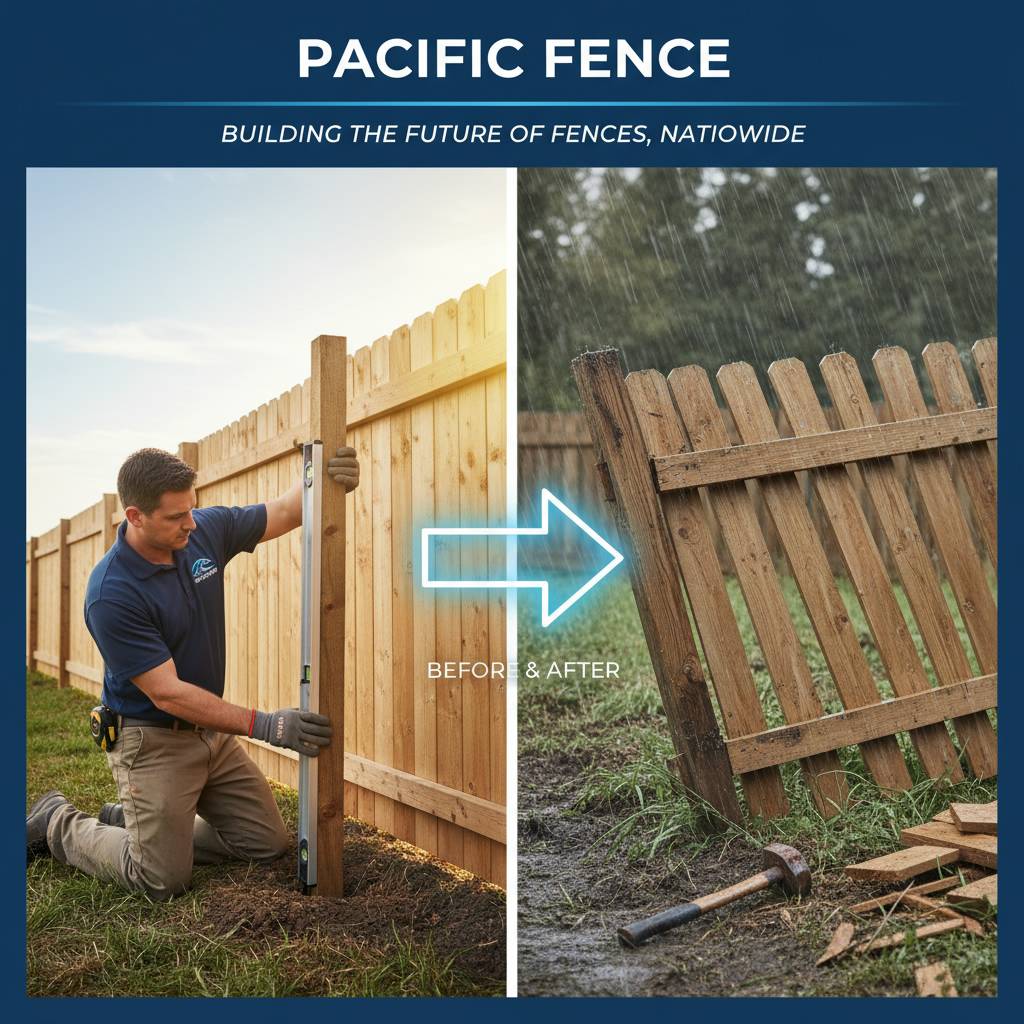 There are predictable missteps in do-it-yourself installations that compromise longevity. These include setting posts too shallow, using untreated or mismatched fasteners, failing to consider slope transitions, and cutting protective finishes after installation. Each mistake can accelerate deterioration or undermine structural performance.
- Shallow posts: Professionals set posts deep enough for local frost lines and soil types to prevent heaving and leaning.
- Improper fasteners: Using the correct grade and coating of fasteners (stainless or galvanized) prevents rust stains and mechanical failure.
- Poor drainage: Incorporating gravel bases and ensuring grading diverts water away from posts and footings reduces rot and corrosion.
- Ignoring material compatibility: Installers select isolation methods and compatible materials to prevent galvanic corrosion or decay.
Skilled crews also plan for maintenance access, replaceable components, and future repairs. Rather than permanently fastening elements that will inevitably need service, they design with access points and standardized parts so maintenance costs stay low and predictable over time.
Cost, value, and lifecycle savings
While professional installation increases upfront cost compared with a quick DIY approach, it often reduces total cost of ownership. A correctly installed fence resists weathering and mechanical stress, reducing repair frequency and avoiding premature replacement. When homeowners compare initial estimates to a realistic 10- or 20-year outlook, the professional approach frequently yields a lower annualized cost and greater retained property value.
To give practical perspective, individual component price ranges vary widely by material and region. For example, post footings and concrete can run from $75-$200 per post depending on depth and local labor, while panel replacement later in the lifecycle can cost several hundred dollars per panel. When you factor repeated repairs over years, the investment in quality installation usually offsets itself.
We provide transparent estimates that separate material, labor, and any specialty treatments so you can see where savings are realized. In many cases a slightly higher upfront investment for better post treatment or premium fasteners saves several service calls and one or more major repairs down the line.
Our process at Pacific fence
Pacific fence follows a step-by-step installation protocol designed to protect your investment and comply with local codes. We begin with a site survey and utility locate, then advise on materials and finishes tailored to your property's exposure and intended use. This initial planning phase sets expectations and avoids surprises during installation.
During construction we adhere to specific best-practice steps: accurate post layout, proper hole depth and backfill material, isolation of dissimilar metals, and finishing methods appropriate to each material. Our teams use jigs and laser levels where needed to maintain consistent alignment, and every gate receives reinforced anchoring and adjustment hardware to ensure long-term function.
Quality control doesn't end when tools are put away. We perform a post-installation inspection with you to verify operation, alignment, and finish. We provide a clear maintenance plan and schedule so you understand how to protect your new fence seasonally. Occasionally, or a senior installer will return to perform a follow-up inspection to ensure everything performs as expected in its first months in place.
Case study and real-world results
A neighborhood project illustrates the difference professional installation makes. A row of wooden privacy fences installed without proper footings began leaning within three years due to seasonal frost heave. After replacement using correct frost-depth footings, compacted aggregate, and stainless fasteners, the new fences remain plumb and crack-free five years later. The initial higher cost for correct footings and materials avoided repeated repairs and a full replacement, delivering tangible savings.
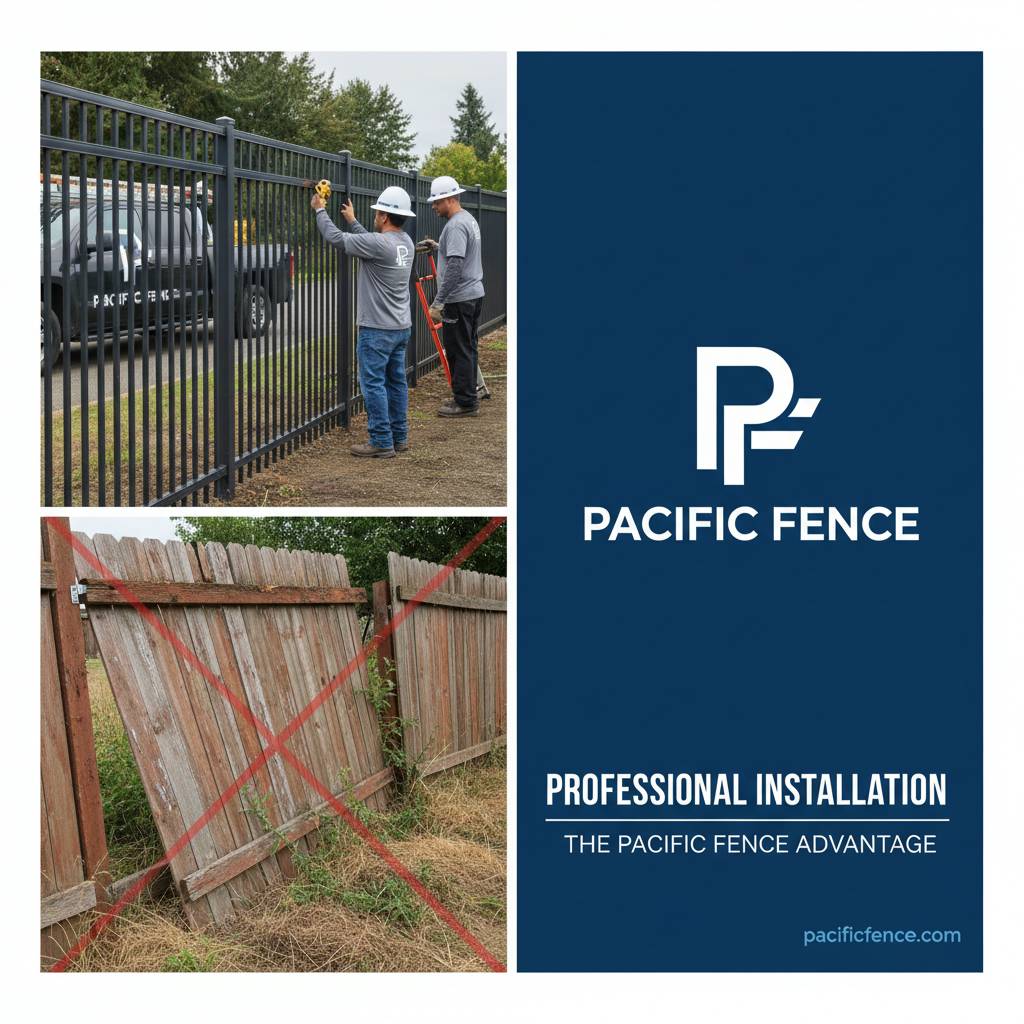
In another example, an industrial property upgraded to powder-coated steel with concrete piers and isolation pads between dissimilar metals. The project required coordination with county permitting and a careful erosion control plan. The result: minimal maintenance and continued service in a high-wind, corrosive environment, with a clear warranty that covered both materials and workmanship.
Frequently asked questions
How long should a professionally installed fence last?
Longevity depends on material, exposure, and maintenance. Professionally installed wood fences typically last 15-25 years with proper treatment and maintenance; vinyl and powder-coated metal systems often exceed 25 years. The key determinant is proper installation-especially secure posts and good drainage-which prevents the most common modes of failure.
Will you obtain permits and mark utilities?
Yes. Our standard process includes permit handling where required and coordinating utility locates before we dig. This avoids delays and protects underground services. If permit fees are required, they are noted separately in your estimate so there are no surprises.
Can you work on sloped or uneven ground?
Absolutely. We use multiple techniques-stepped panels, raked boards, or custom posts-to adapt to slopes while maintaining performance and appearance. Proper post spacing, bracing, and sometimes retaining features are employed to ensure the fence resists soil movement and remains plumb.
Final considerations and how to get started
Investing in professional installation is an investment in the longevity and reliability of your fence. By addressing foundational details-post depth, drainage, compatible materials, and code compliance-professionals maximize the useful life of the system and minimize unexpected costs. When you evaluate contractors, prioritize documented installation standards, warranties that cover workmanship and materials, and clear post-installation care guidance.
Pacific fence welcomes the opportunity to assess your property and recommend a tailored solution that balances aesthetics, performance, and budget. We provide detailed written proposals with line-item costs and a maintenance roadmap so you know what to expect years down the line. Protecting your investment starts with a conversation.
Ready to safeguard your fence investment? Call 13466814020 to schedule a consultation and site evaluation. Our team will explain how professional installation improves fence longevity and provide a customized plan with transparent pricing.
Contact Pacific fence today to learn more and arrange your inspection. Our process emphasizes durability, safety, and code compliance so your fence performs as intended for years to come.