Benefits Of Professional Fence Installation
At Pacific fence we believe professional fence installation delivers lasting value. Our team ensures proper installation to protect your investment. Call 13466814020 to schedule an inspection and learn the benefits. We combine skilled crews with code knowledge to avoid costly mistakes.
Introduction: Why the benefits of professional fence installation matter
Installing a fence is more than putting boards in the ground or stretching wire between posts. The benefits of professional fence installation extend beyond curb appeal: they protect property, define legal boundaries, improve safety, and preserve the value of the home. A professionally installed fence is planned, permitted when necessary, and executed to last. That means fewer repairs, better performance through all seasons, and a lower total cost of ownership over time.
When you consider the cost of recurring repairs, potential property disputes, or redoing an improper installation, the initial expense of hiring a professional team often proves to be a wise investment. At Pacific fence we combine craftsmanship with a deep understanding of local codes and soil conditions so your fence performs as intended for years. Call 13466814020 to arrange a no-obligation inspection.
The core advantages of hiring a professional
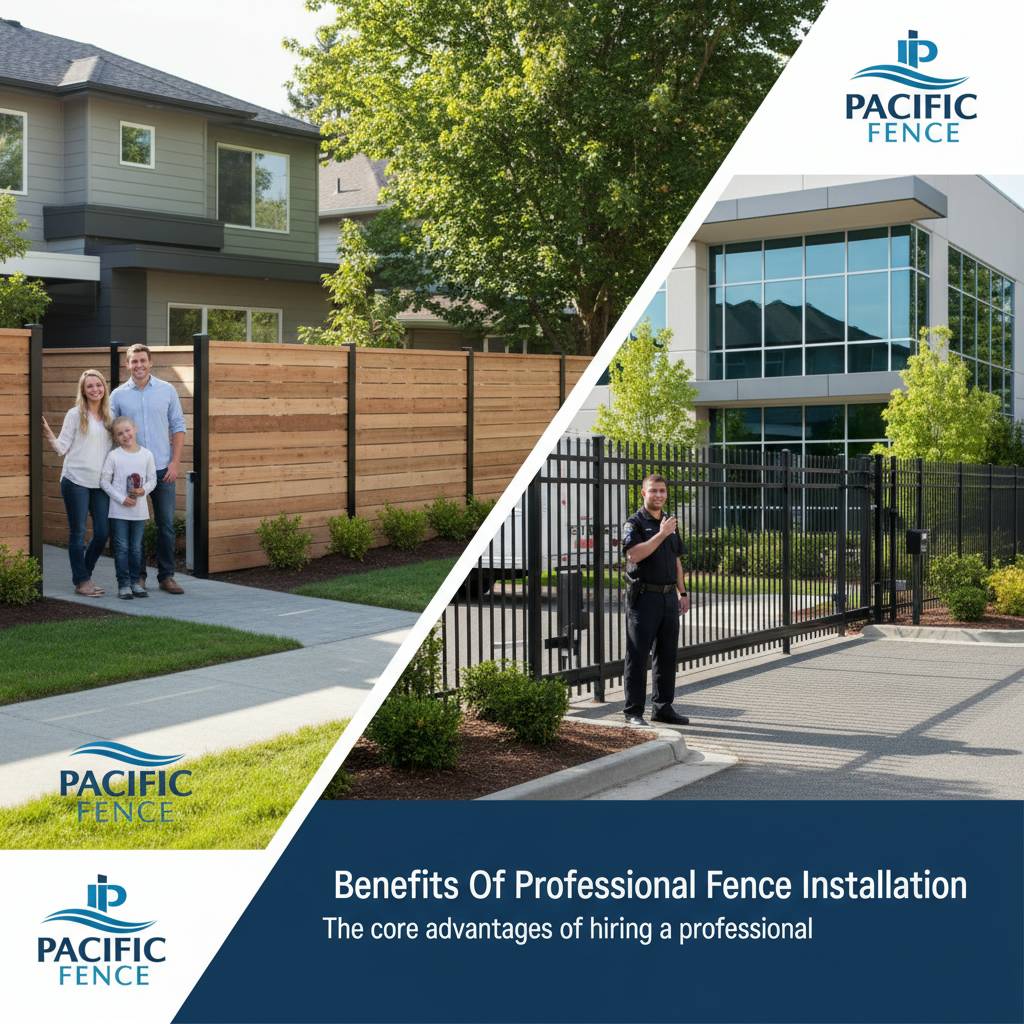 There are several clear, tangible benefits to choosing a professional fence installer over a DIY approach or an inexperienced contractor. Professionals bring accurate layout and measurement skills to avoid encroachment on neighbor property lines, they install to local building codes to prevent costly fines, and they set posts properly using concrete and correct depths so structures remain square and stable even under high wind or ground freeze. These technical details make the difference between short-lived fixes and long-term value.
Additionally, professional installation offers predictable timelines and warranties. Experienced contractors provide written estimates, timelines for completion, and often warranties on both materials and labor. That accountability protects homeowners financially and helps ensure the project is completed to agreed standards. For many homeowners the peace of mind this brings is as valuable as the fence itself.
- Accurate property line and layout work to reduce disputes
- Proper post setting and anchoring for durability
- Compliance with local codes and permit support
- Material recommendations tailored to climate and use
- Warranties and post-installation support
Professional process: planning, permits, and installation
Professional installations begin with a site assessment. Our team examines soil conditions, grade changes, tree roots, drainage patterns, and access points to determine the best placement and post depths. This upfront assessment prevents surprises during installation. It also informs material choices-certain soils or slopes may require deeper footings, different post types, or specialized hardware to withstand shifting ground.
Permitting and code compliance are integral parts of the process. Most municipalities have setback requirements, height limitations, and sometimes required inspections prior to or after installation. Professionals know how to submit permit applications and work with inspectors when needed, reducing delays and protecting you from potential fines or forced removals down the road. Proper permits ensure the job is legal and properly documented.
Installation steps you can expect
Typical professional installation follows these steps: confirm layout and property lines with markers or a survey, prepare the site by removing obstructions and grading where necessary, set posts with concrete to specified depths, attach rails and pickets or stretch panels and fabric depending on material, and finish with gates, hardware, and clean-up. Each step has best practices that trained crews follow to ensure structural integrity and clean results.
Materials, durability, and long-term value
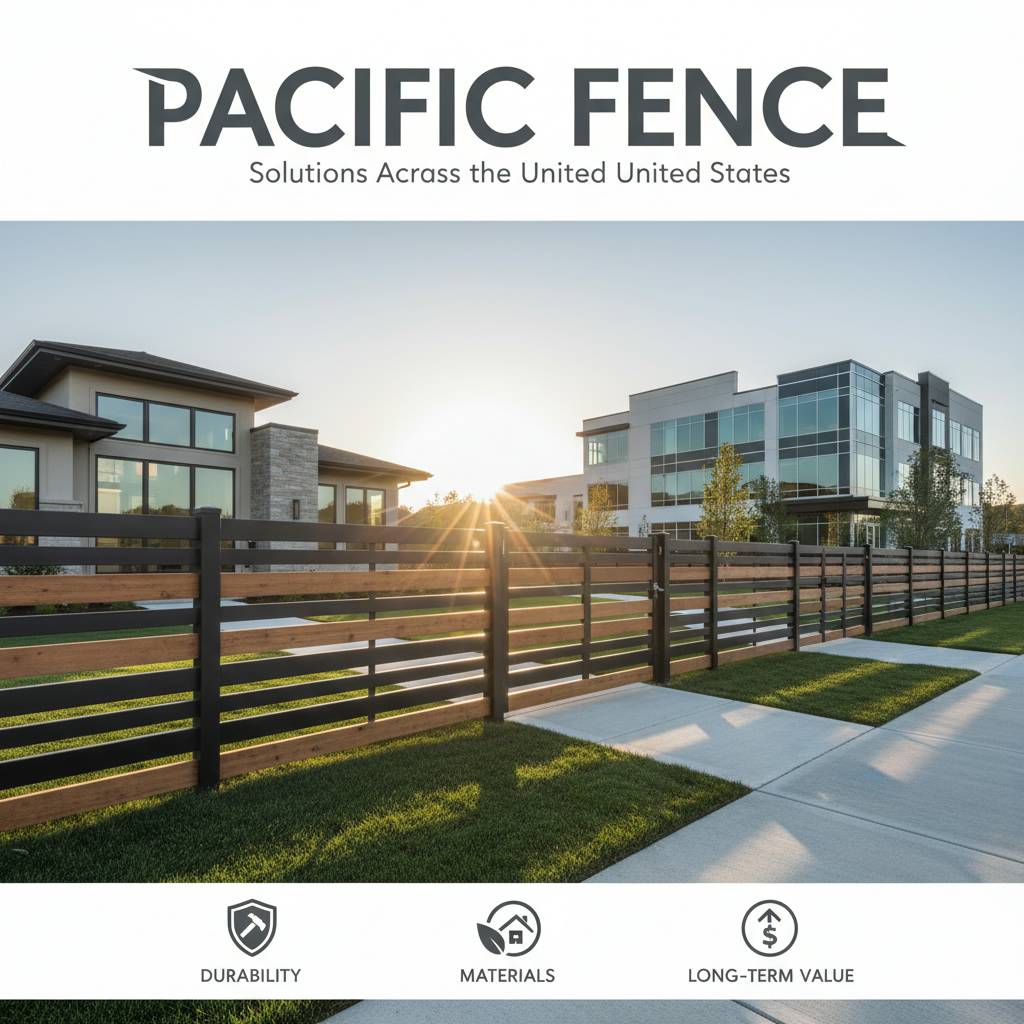 Selecting the right material is essential to maximize the benefits of professional fence installation. Common options-wood, vinyl, aluminum, steel, chain-link, and composite-each have trade-offs in appearance, maintenance, lifespan, and cost. Professionals can provide honest guidance based on your objectives: privacy, security, aesthetics, pet containment, or low maintenance. Material choice influences not only the initial price but projected maintenance and replacement costs.
Below is a simple cost and lifespan comparison to help illustrate long-term value. Actual costs vary by region and complexity, but this table reflects typical ranges for residential projects per linear foot when installed professionally.
| Material | Typical cost per linear foot | Expected lifespan |
|---|---|---|
| Pressure-treated wood | $15-$35 | 10-20 years with maintenance |
| Vinyl | $30-$60 | 20-30 years, low maintenance |
| Aluminum | $25-$50 | 20-30 years, rust-resistant |
| Chain-link (vinyl coated) | $10-$30 | 10-25 years, economical |
| Composite | $40-$75 | 25-30 years, premium |
While initial costs vary, a properly installed fence usually delivers superior long-term performance, reducing recurring maintenance and increasing resale value compared with poorly executed installations. Professionals can also recommend treatments and finishes to extend the life of materials-stains and sealants for wood, or protective coatings for metal.
Avoiding common mistakes that undermine value
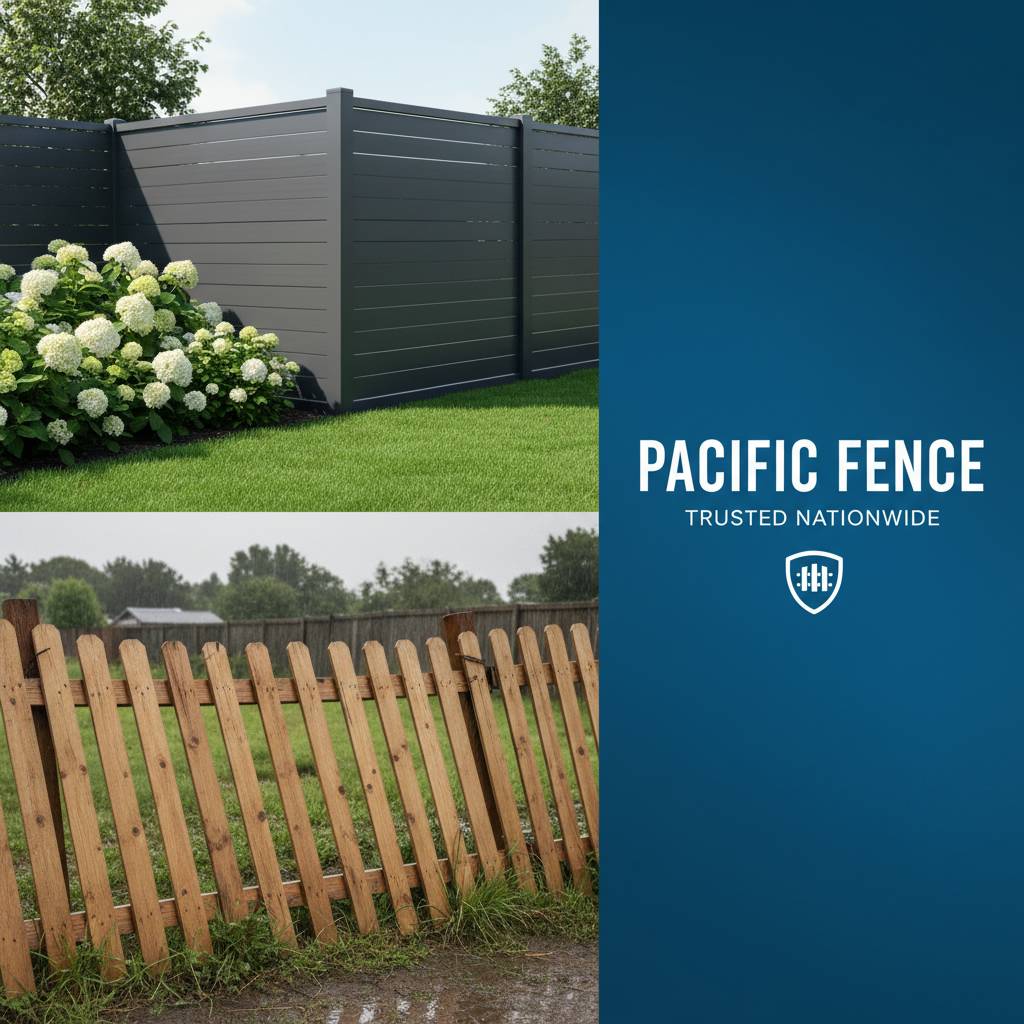 Many failures in DIY or rushed installations come from predictable mistakes: undersized or shallow post holes, neglecting drainage and grading, incorrect post spacing or alignment, and using inferior fasteners or hardware. These errors can lead to loosening, leaning, or rot and often require substantial corrective work. Professional crews are trained to avoid these pitfalls by following industry best practices for footing depth, post materials, and correct spacing for the chosen fence type.
Another common oversight is not accounting for buried utilities or easements. Professionals always call utility locating services before digging, and they understand how to work near easements without violating municipal requirements. This protects both the property owner and the installation crew from dangerous and costly incidents.
Code compliance, warranties, and insurance
 One of the less visible but highly valuable benefits of professional fence installation is proper paperwork and protection. Licensed installers carry liability insurance and often offer labor warranties. That means if a post fails due to installation error, the company will make it right under warranty terms. Licensing and insurance also indicate a company has met certain business and technical standards, which reduces your risk.
Compliance with local codes and homeowners association rules is another advantage. Professionals can review HOA guidelines, submit required plans, and obtain permits so the finished fence meets all legal and community standards. This reduces the chance of having to modify or remove the fence later due to noncompliance.
Choosing the right contractor and what to expect
 Selecting a contractor is as important as choosing materials. Look for companies with verifiable references, clear written contracts, and transparent pricing. A reputable installer will provide a detailed estimate that breaks down material costs, labor, permits, and any site-specific challenges. Beware of lowball bids that lack details-these often lead to change orders or cut corners during installation.
At the start of the project, expect a clear timeline, confirmation of access and staging areas, and communication about any site prep required from your side. During installation, a professional crew will maintain a clean work area, protect landscaping where possible, and address any changes in plan quickly and with your approval. Finally, a post-installation walkthrough ensures you are satisfied and that all gates, latches, and finishes meet expectations. Our lead estimator, , often emphasizes this final review as a key moment to confirm satisfaction.
Frequently asked questions
Q: How long does a typical residential fence installation take?
A: Most standard residential fences can be installed in one to four days, depending on length and site complexity. Long runs, steep grades, or custom gates add time. Professionals schedule work efficiently to minimize disruption while ensuring quality.
Q: Can you install on a slope or uneven ground?
A: Yes-professionals use techniques such as stepping the fence, racking vinyl, or installing custom posts to follow grade while maintaining integrity. Proper planning avoids gaps and maintains consistent appearance and performance.
Q: Do I need a permit?
A: Permit requirements vary by location and fence height. Professionals can determine if a permit is needed and handle submissions and inspections on your behalf.
Case study: small yard, big improvement
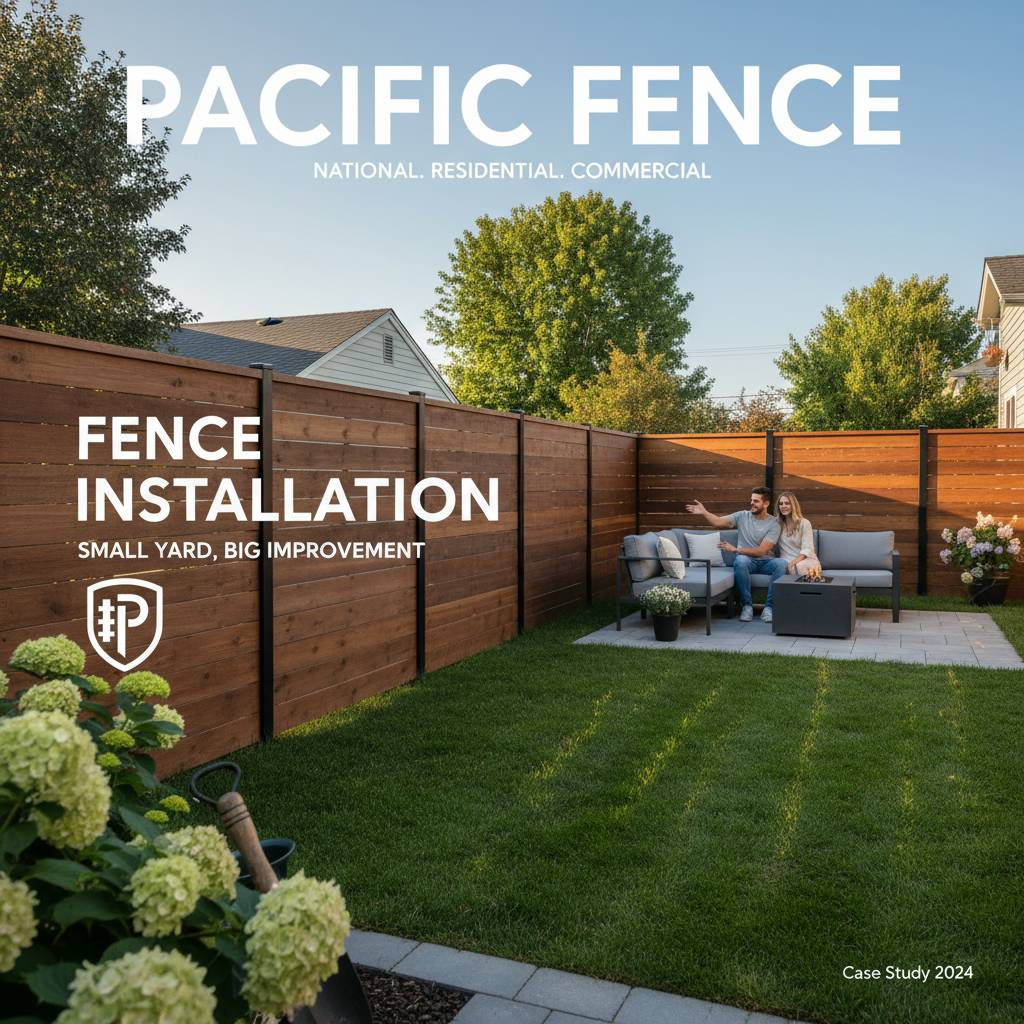 A compact property with mixed-grade backyard presented multiple challenges: shallow bedrock, a narrow access gate, and HOA height restrictions. Our team at Pacific fence performed an initial site assessment, coordinated a minor variance review with the HOA, and selected aluminum panels to meet the look and height requirements while avoiding deep excavation. The project was completed within budget and with minimal disturbance to landscaping, demonstrating how planning and material selection deliver superior outcomes.
This example highlights how the benefits of professional fence installation are realized in practice: problem-solving, compliance, and a durable finished product that met the homeowner's functional and aesthetic goals. We document decisions and provide maintenance recommendations so the fence continues to deliver value long after installation.
Maintenance tips to extend performance
Even the best-installed fence benefits from routine care. For wood fences, periodic staining or sealing every two to four years will slow decay and protect against moisture and UV damage. Metal fences should be checked for rust spots and repainted or touched up to prevent corrosion. Vinyl and composite fences require minimal maintenance-an occasional wash will keep them looking new. Professionals can provide a maintenance schedule based on material and local climate.
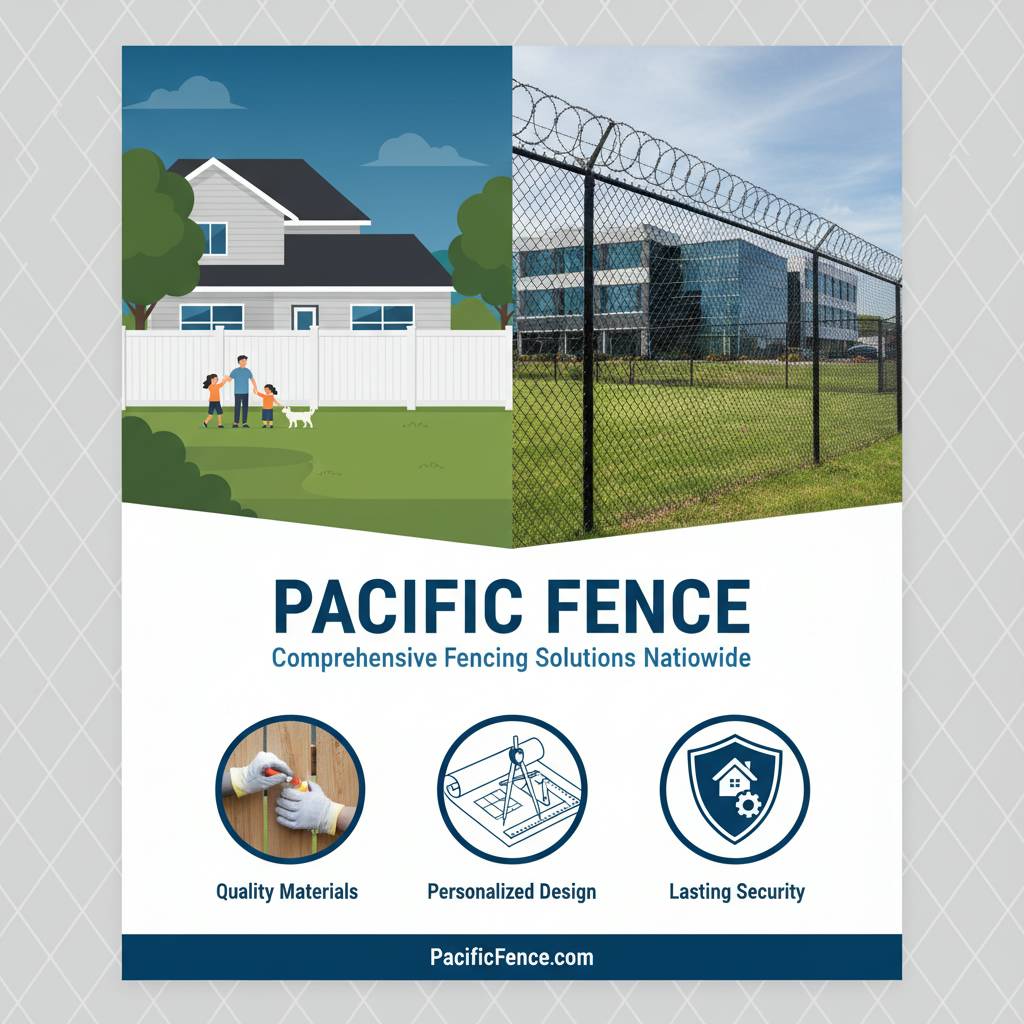
Inspect gates, hinges, and latch hardware annually. Tighten loose screws, replace worn fasteners, and ensure gate alignment to prevent sagging. Addressing small issues early prevents more costly repairs and preserves the long-term value of your investment.
Get started with a no-obligation inspection
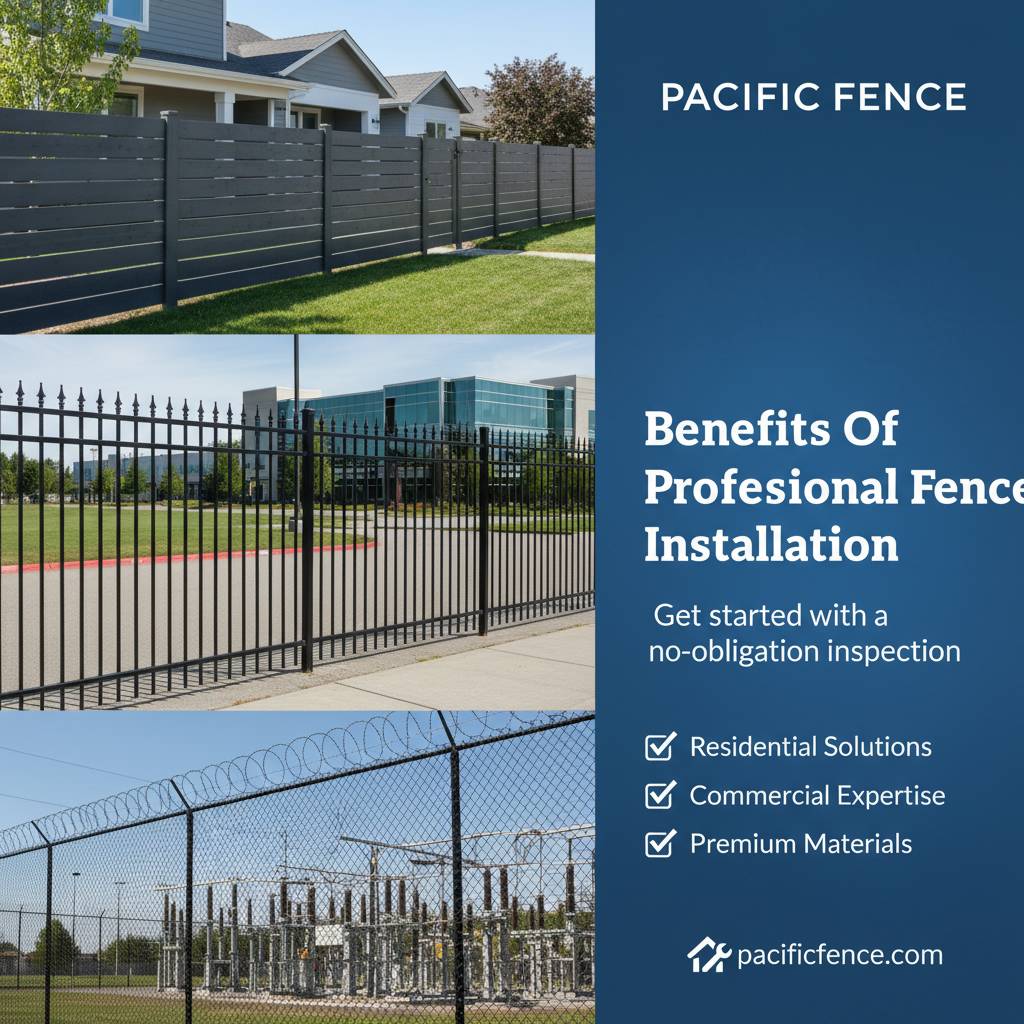 If you're considering a new fence or need repair work, an in-person inspection is the best first step. At Pacific fence we provide thorough assessments that identify site-specific challenges, propose material and design options, and deliver a clear written estimate. Our teams prioritize communication and quality workmanship so you know exactly what to expect before work begins.
Call us at 13466814020 to schedule your inspection and learn more about the practical benefits of professional fence installation. Whether your goal is privacy, security, or aesthetic upgrade, our experienced crews will deliver a durable solution tailored to your needs.
Contact Pacific fence today at 13466814020 to schedule an inspection and protect your investment.