Average Cost Of Professional Fence Installation
Understanding average costs helps plan your fence project
Deciding to install a new fence is about more than curb appeal - it's about function, longevity and budget. At Pacific fence we focus on clear pricing and practical breakdowns so homeowners know what to expect. This guide explains the average cost of professional fence installation, what drives price variation, and how to get an accurate estimate without surprises. Read on to learn how to align design goals with realistic costs and make an informed decision for your property.
Whether you want privacy, security, or an attractive boundary, the choices you make early will determine the bulk of project expenses. We'll cover material choices, labor, permit and site preparation costs, and common add-ons like gates or decorative posts. If you prefer a tailored conversation, call 13466814020 and we'll walk through specifics for your yard and priorities. Clear expectations reduce delays and help you get the best value.
What affects the average cost of professional fence installation
Several factors beyond material selection influence the average cost of professional fence installation. Site conditions are a major determinant: sloped land, dense roots, rocky soil, or limited access for equipment can increase labor time and require special techniques or machinery. The total linear footage and fence height also play large roles - more material and more labor typically equal higher overall cost but sometimes lower per-foot cost on large projects.
Design choices matter as well. A straight, standard fence line is the simplest to install, while curved, terraced, or decorative designs add complexity. Local permit fees, homeowner association requirements, and utility marking must be accounted for. Finally, regional labor rates and seasonal demand affect quotes; in some areas you'll see higher average costs simply because of local market conditions and material availability.
Typical material and installation price ranges
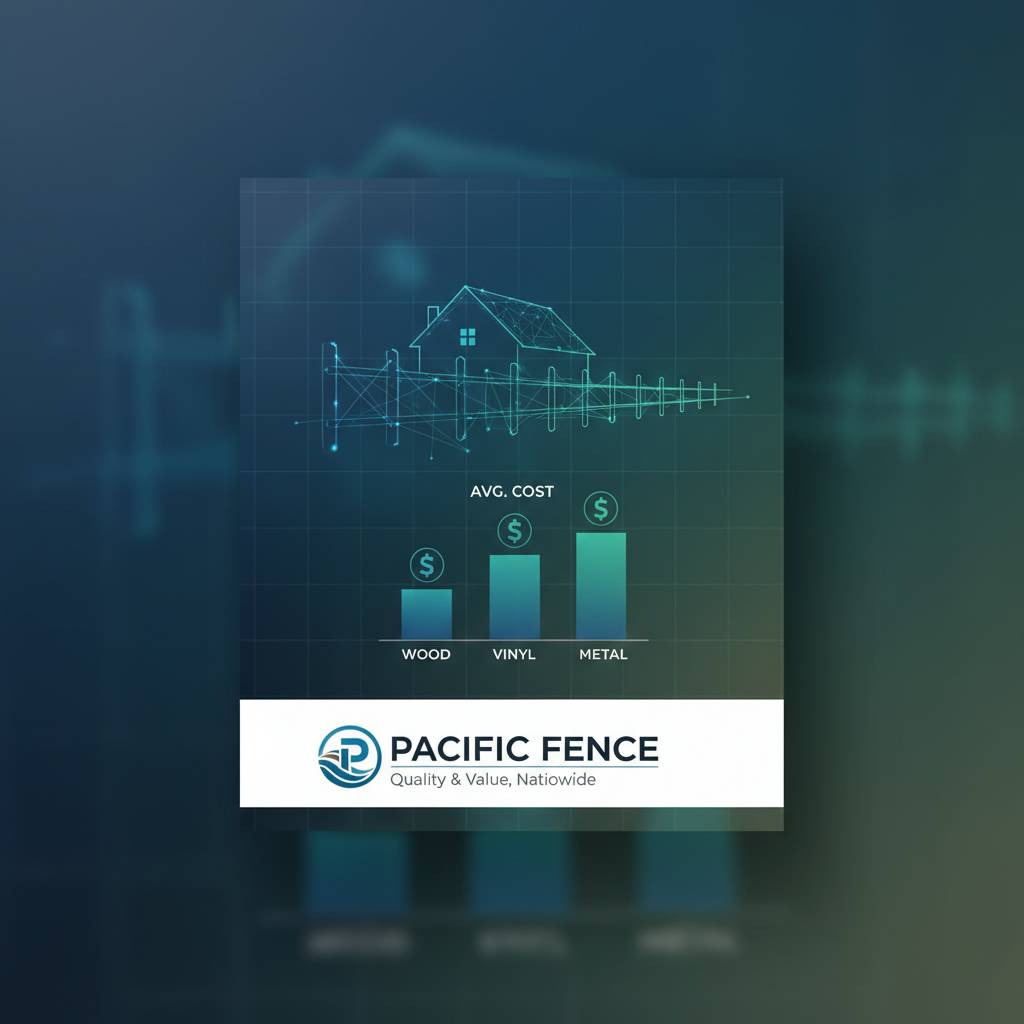
 Below are common fence materials and typical installed price ranges, presented to help you compare options based on budget and desired performance. Prices vary by region and site complexity, but these ranges reflect what many homeowners see in professional estimates. Remember that the material cost is only part of the picture - installation labor, posts and hardware can add meaningfully to the final invoice.
| Material | Typical Installed Cost (per linear foot) | Notes |
|---|---|---|
| Chain-link | $8-$20 | Affordable and low-maintenance, good for containment and visibility. |
| Wood (privacy or picket) | $15-$45 | Warm appearance; requires staining/painting and more ongoing care. |
| Vinyl | $20-$60 | Low maintenance, comes in many styles; color options are limited once installed. |
| Aluminum | $25-$50 | Decorative and rust-resistant; often used for ornamental and pool fences. |
| Composite | $35-$70 | Durable, eco-friendly options; higher initial cost but reduced maintenance. |
| Wrought iron | $40-$100 | High-end look and extreme durability; typically the most expensive option. |
Additional items to budget for include gates, hardware, post caps, and concrete footings. Gates can range from $150-$500 for a basic single gate to $500-$2,000 for custom or automated gates. You may also encounter disposal fees for removing old fencing and costs for specialized materials such as galvanized brackets or decorative inlays.
Labor, permits, and hidden costs to watch for
Labor is often the largest variable on a quote. Professionals will account for time to set posts, level sections, attach panels, and install gates. Expect labor rates to vary by region and company experience; some contractors quote per linear foot, while others provide a job total. Ask for a breakdown so you can see material versus labor costs. It's normal for the labor portion to represent 40%-60% of the overall installed price on many projects.
Permits and utility marking are frequently overlooked in early budget conversations. Municipal permits can cost anywhere from $50 to several hundred dollars depending on location and scope. Utility marking is a necessary safety step and is usually free when requested through your local call-before-you-dig number, but specialized underground conditions may require additional excavation work. Also account for potential HOA review timelines and requirements, which can add administrative time before a project can start.
How to get an accurate estimate: a practical step-by-step approach
Start by defining the purpose of your fence: privacy, pet containment, security, or purely decorative. Clear objectives help contractors recommend materials and design elements that deliver value relative to cost. Take accurate measurements of your property lines and note any slopes, trees, or utility impediments. Photographs and a simple sketch emailed to a contractor often speed the quoting process and reduce misunderstandings during the site visit.
When you request quotes, ask multiple reputable companies for written estimates that include a full breakdown of materials, labor, permit fees, gate prices, and warranty terms. Request timelines and clarify who will handle utility marking, tree removal, and debris disposal. A good contractor will explain trade-offs - for example, choosing better posts or deeper concrete footings for longer life may raise upfront cost but reduce maintenance and replacement expenses over time.
Choosing a contractor and tips for getting the best value
 Selecting the right installer is as important as choosing the right material. Look for licensed professionals with verifiable references and an established local presence. Ask to see photos of finished projects similar to your planned scope and confirm liability insurance and worker coverage. A lower initial bid is not always a bargain; it may omit necessary site prep or use lower-grade hardware that increases the chance of early failure.
To get better value, consider these practical tips:
- Bundle work where possible: scheduling multiple jobs in the same area can reduce travel and mobilization fees.
- Opt for durable posts and hardware even if panels are mid-range - posts stabilize the entire fence and are costly to replace later.
- Time the project for off-peak seasons when contractors may offer more flexible scheduling or promotional pricing.
Common questions and real-world examples
What is the average cost per linear foot for a typical suburban privacy fence?
For many suburban projects, homeowners find the average cost of professional fence installation for a standard 6-foot wood privacy fence falls in the $20-$45 per linear foot range, depending on wood species, post depth and whether existing fencing needs removal. This includes materials, posts set in concrete, and basic gates. Projects with challenging terrain or replacement of an old fence lean toward the higher end of that range.
How much should I budget for a gate and hardware?
Budget for a basic single gate starting around $150-$500, while a heavier-duty or automated gate can range from $500-$2,000 or more. Gate hardware, hinges, latches, and locksets are small line items individually but add up when choosing premium finishes or automation. Factor gate width and weight into the estimate because they affect hinge and post requirements as well as installation time.
Case example: mid-size yard with mixed materials
A typical example: a 150-foot perimeter combining chain-link at the rear ($8-$15 per linear foot) and wood privacy for the sides ($20-$40 per linear foot) might run between $3,000 and $7,000 installed, depending on gate count and site prep. That mixed-material approach balances budget and aesthetics, allocating more expensive materials to street-facing sides. A clear written estimate from the contractor should list each section with the per-foot calculation to keep costs transparent.
Maintenance considerations and lifecycle costs
When calculating the average cost of professional fence installation, consider long-term maintenance costs and lifecycle expectations. Materials like vinyl and aluminum are low-maintenance, often requiring only occasional cleaning. Wood needs periodic staining or painting and may require board replacement over time because of rot or insect damage. Choosing a slightly higher initial investment in durable materials or protective finishes can reduce total cost of ownership over 10-20 years.
Ask contractors about expected warranty coverage for materials and workmanship. Some components, such as post anchors or fasteners, may carry separate warranties from panels. Keep documentation for all warranties and maintenance recommendations, and schedule periodic inspections to catch issues early - small repairs are far less expensive than replacing entire sections later.
Final considerations and how Pacific fence can help
Estimating the average cost of professional fence installation requires balancing design goals, site realities, and long-term expectations. A clear, itemized quote that separates materials, labor, permits and extras helps you compare proposals apples-to-apples. When you work with a knowledgeable contractor, you also benefit from guidance on site preparation, product selection, and timeframes that match your schedule and budget.
Pacific fence is committed to transparent estimates and practical recommendations that protect both your investment and your property. If you'd like a personalized quote or need help weighing options for materials and approach, call 13466814020 for a conversation about your property and priorities. We'll provide a site-specific estimate and explain the trade-offs so you can make a confident decision.
Ready to get started? Contact Pacific fence today for a tailored estimate and straightforward advice. Whether you're planning a full replacement or a single gate repair, we'll help you understand costs and timing so there are no surprises.
For quick assistance, call 13466814020 - we aim to deliver value within your budget and with workmanship you can count on.